When Covid wiped out her restaurant accounts, Sol Kinnis needed a new sales channel fast. Today, Local Line runs her weekly storefront, her CSA registration, and her food hub invoicing in 2 to 5 hours a week.
Key takeaways
- City's Edge Farm is a 3-acre Certified Organic operation in Central Saanich, on Vancouver Island, growing more than 40 varieties of vegetables, herbs, berries, flowers, and starts.
- When Covid eliminated restaurant sales, founder Sol Kinnis needed an online outlet fast and chose Local Line because it was built for farmers and charged a flat rate.
- Local Line now runs her weekly storefront, her invoicing to a local food hub and commercial accounts, and her annual CSA registration, which used to be a manual headache.
- The storefront and CSA now feed each other: customers who leave the CSA keep ordering a la carte, and new customers who try a sample box often sign up for a full share.
- Automated emails triggered by store orders and CSA sign-ups, built through her connection to Kit, cut down on manual follow-up and handle some marketing while Sol is out in the field.
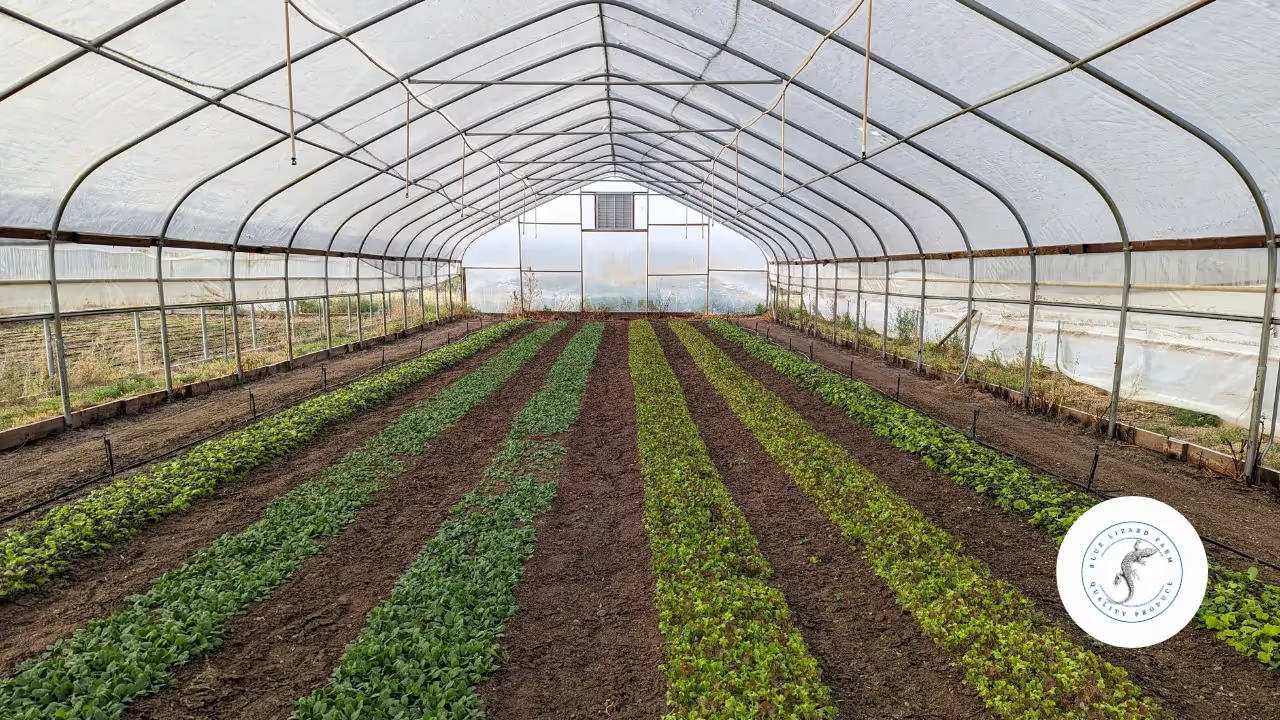
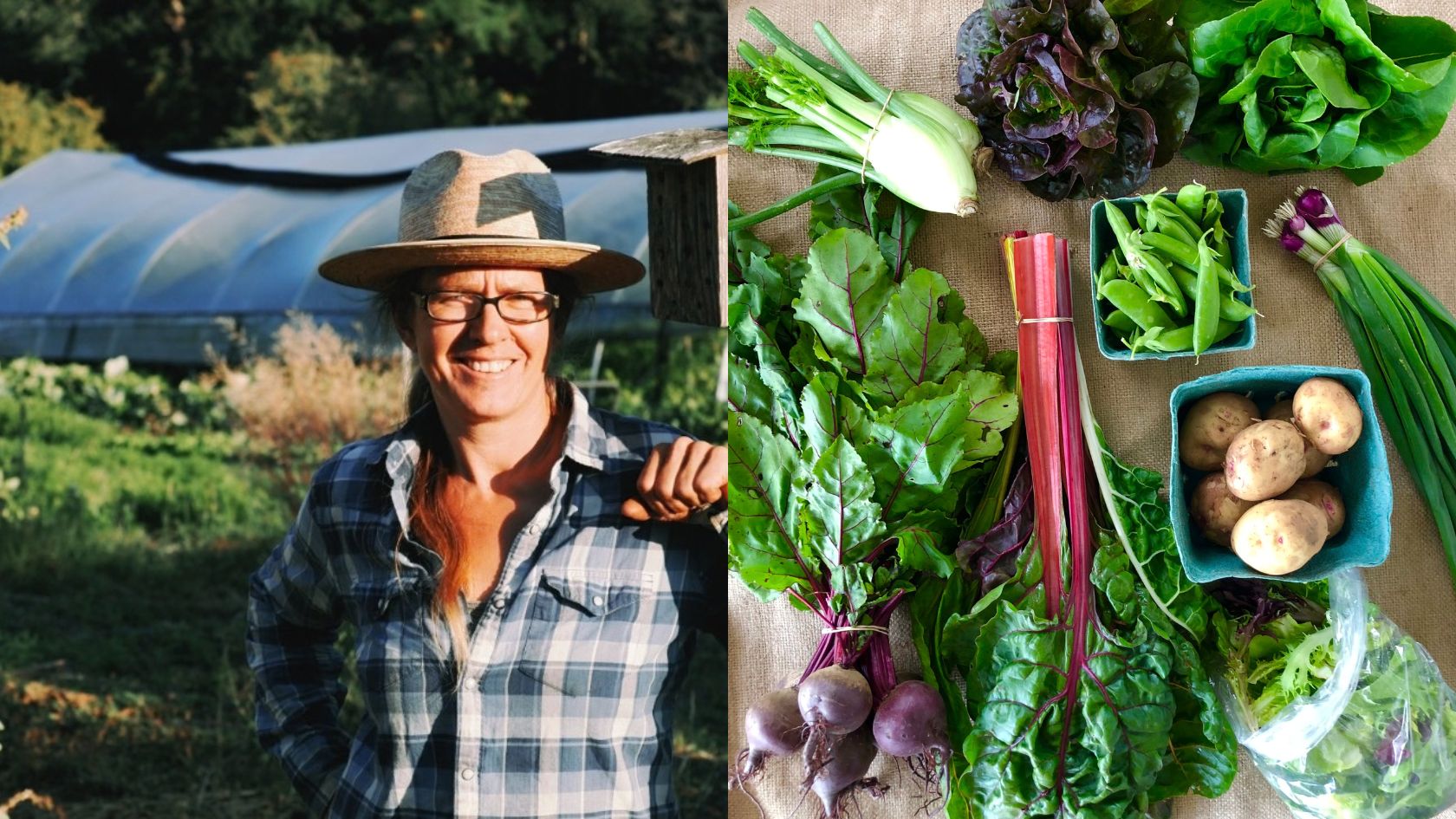
City's Edge Farm sits at the edge of Central Saanich, on Vancouver Island, where Sol Kinnis grows more than 40 varieties of Certified Organic vegetables, herbs, berries, flowers, and vegetable starts on 3 acres. Customers reach her through three channels: a CSA, a weekly online store, and invoiced orders to a local food hub and other commercial buyers.

Replacing Lost Restaurant Sales With an Online Farm Store
Before Covid, City's Edge Farm sold into restaurants. When those accounts disappeared, Sol needed a new outlet, and needed it quickly.
"During Covid, I lost my restaurant sales and needed another sales outlet," Sol says. "There was some Covid-related funding from my local government available for small businesses to launch online marketing, so I shopped around and found Local Line."
What made her stick with it: "It was specifically designed for farmers and charged a flat rate. It did everything I needed, was easy to use, and it seemed like it would serve my business into the future."
Running a Multi-Channel Farm Store on Local Line
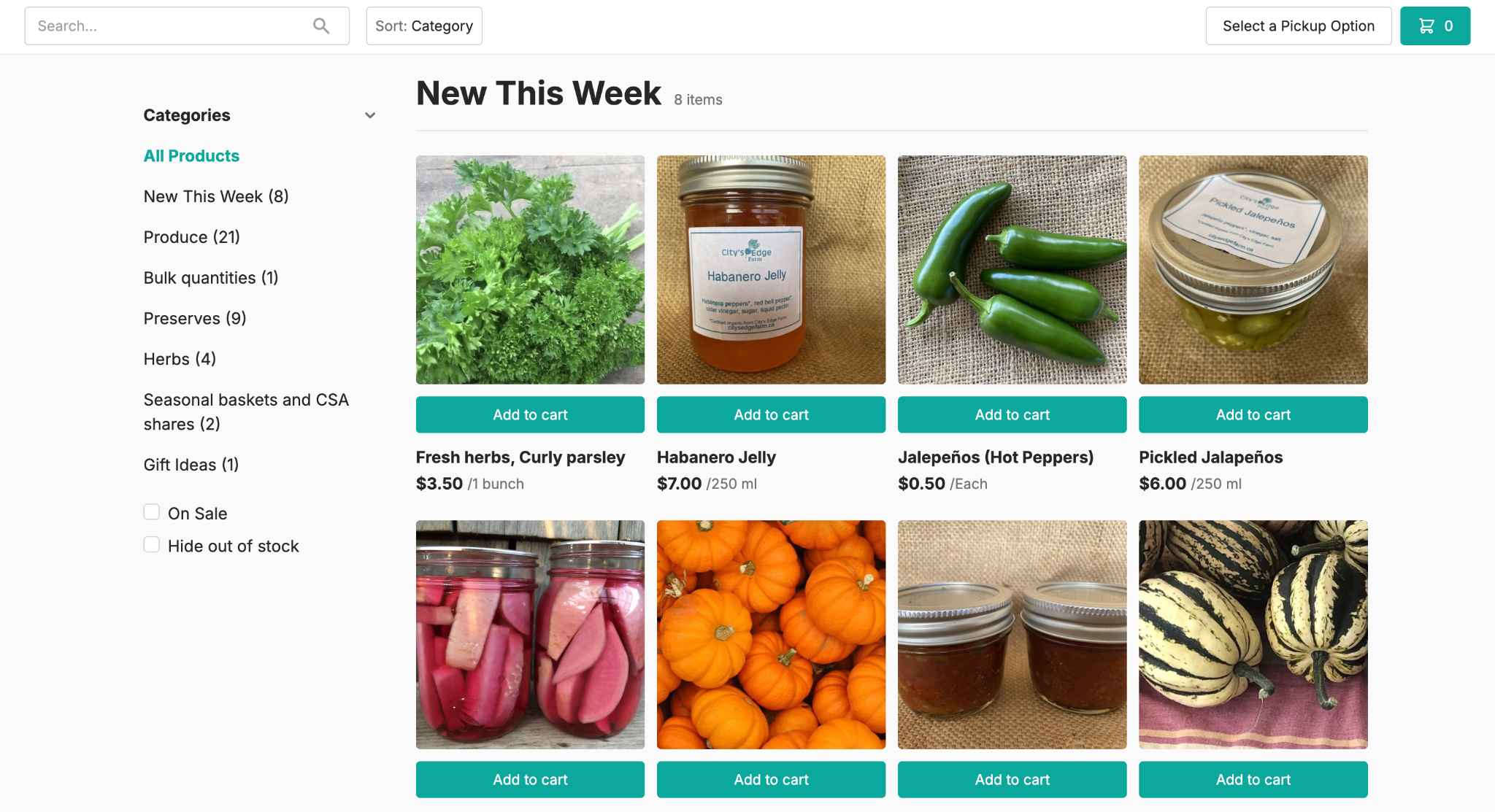
Sol updates her store every week and sends a matching email to her mailing list. She uses price lists, storefront tools like open and close windows and order reminders, bulk order management, invoicing, and pick and pack list exports to run the weekly store. Reports on customers and fulfillment round it out.
Price lists split up two very different parts of her business. Her main retail store includes bulk pricing for customers buying larger quantities. A second price list is reserved for CSA registration during sign-up season, set up specifically so customers can't pay by credit card there, steering CSA payments toward lower-fee options instead.
Her local food hub account works differently. The food hub runs its own online store through a separate platform, so Sol lists her products there directly rather than through her Local Line storefront. She still relies on Local Line to bill them: once an order comes through the food hub's system, she creates a custom invoice for it in her own store. It's a manual step for now, and one she's considering streamlining with a dedicated price list down the line.
Once a year, Local Line also runs her CSA registration, a process Sol says has been transformed. Members log in to her store, choose a pickup location and day from her available options, then select a share type and length, weekly or biweekly, full season or a shorter early spring or flower share, before choosing how they'll pay.
What used to be a manual sign-up process now runs through the same storefront she uses for weekly retail sales, so members register once and Sol doesn't have to reconcile a separate system to track who's signed up for what.
"It saved me a lot of time," she says, "and the website I set up using Local Line's website builder has really helped with marketing."
Automating Marketing Around Store Orders and CSA Sign-Ups
Sol has connected Local Line to Kit, her email marketing platform, so it sends automatic emails triggered by what customers do in the store. An order or a CSA registration kicks off a message without Sol writing or sending it herself.
That's freed up meaningful time, especially during CSA registration season, when sign-ups used to mean a wave of manual follow-up. The rest of the year, the same setup handles some of her ongoing marketing and communication while she's out in the field instead of at a keyboard.
Turning Online Store Customers Into CSA Members (and Vice Versa!)
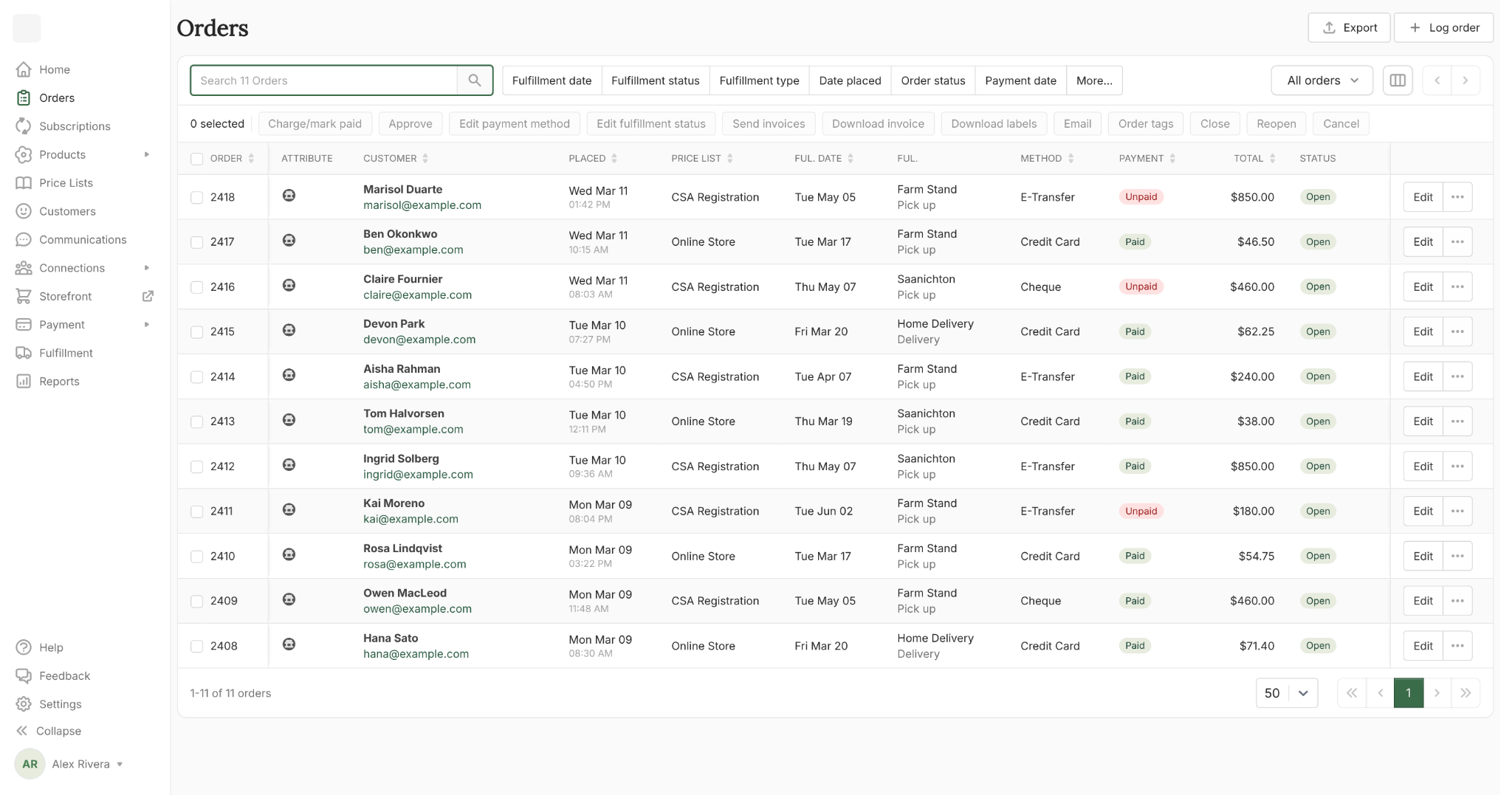
The most interesting pattern in Sol's business is how her two customer groups move between channels. Some of her most reliable storefront shoppers are former CSA members.
"I've found my main customers are CSA customers making ordering extras for their CSA pickup, as well as customers that found the CSA didn't fit their needs, so instead they order what they want from the store each week," Sol says. "Often they order more than what they were getting in their CSA, but tailored to them."
It runs the other direction too. New customers who try a sample box from the store often convert into full CSA members, giving Sol a low-commitment way to bring people into a season-long share. "I've also gained new CSA customers from people that order a sample box and then sign up for a weekly share," she says.
Store credit adds a third option for customers who want to support the farm without committing to a weekly pickup, letting them buy whatever is in season whenever it works for them.
Keeping an Online Farm Store Running Through a Relocation
Three years ago, City's Edge Farm relocated. Sol describes it as starting over in some ways: new land, a different growing setup, and less to list in the store for a couple of years while the farm found its footing again. What didn't change was her storefront and website. Customers who already knew her could still find her, her weekly email list carried over, and her CSA registration process didn't need to be rebuilt from scratch along with everything else.
"The store and website were consistent and helped in that transition," she says. Where she sells and what she has available has shifted more than once since the move, and Sol is now in the middle of rebuilding her online retail sales again, something she says is already working.
Farmer-Focused Support for Small Businesses
Sol points to the Local Line team as a real differentiator, not just the software.
"I love the quick video tutorials the Local Line team made on the fly when they were helping me get set up," she says. "I also appreciate the different marketing tutorials and other resources Local Line has developed over the years."
That combination of ease of use and hands-on support is what she'd tell other farmers considering the switch.
"If you're planning to try selling online as a small farmer, I highly recommend Local Line," Sol says. "It's designed for us. They understand what our needs are, and they understand how to market our farms. If you're willing and able to put the time into marketing online, then Local Line will be well worth the investment."
Want to see how Local Line could run your farm's storefront, CSA, and wholesale invoicing in one place? Book a demo to get started.
Frequently Asked Questions about selling produce online and through CSA
Can one platform handle both a CSA and a weekly online store?
Yes. City's Edge Farm runs a CSA, a weekly a la carte store, and invoiced wholesale orders to a local food hub, all through Local Line, using the same product catalog and order tools across every channel. Updating what's available once updates it everywhere it's sold, instead of managing separate systems for each type of customer.
How do farms convert a la carte shoppers into CSA members?
City's Edge Farm uses a sample box in its online store as a low-commitment entry point. Customers who try it often sign up for a full weekly or biweekly CSA share afterward, giving the farm a way to build membership without asking for a season-long commitment upfront.
What happens to CSA members who leave the program?
Many stay on as customers. City's Edge Farm sees former CSA members continue ordering a la carte from the storefront each week, often buying more than their old share, tailored to what they actually want instead of a fixed weekly box.
How are price lists used for CSA registration and retail pricing?
City's Edge Farm uses one price list for its regular retail store, including bulk pricing for larger orders, and a separate price list reserved for CSA registration season, set up to accept only lower-fee payment methods like e-transfer instead of credit cards.
How does a farm invoice a food hub that runs its own separate ordering system?
City's Edge Farm's local food hub takes orders through its own online store on a different platform, so Sol lists her products there directly instead of through her Local Line storefront. She still uses Local Line to bill the food hub, creating a custom invoice for each order rather than pulling it automatically from her own store.
Can a farm store automate marketing emails around orders and CSA sign-ups?
Yes. City's Edge Farm connected its store to its email marketing platform, Kit, so an order or CSA registration automatically triggers a follow-up email. That's cut down on manual follow-up during registration season and handles some ongoing marketing while Sol is out in the field.
What does CSA registration look like on Local Line?
Members log in through the farm's storefront, choose a pickup location and day, select a share type and length, and choose how they'll pay, all in one flow. For City's Edge Farm, that replaced a manual annual sign-up process with something that runs through the same store used for weekly retail sales.
What happens to an online farm store if the farm relocates or changes what it sells?
The storefront and website can stay in place even when everything else about the operation changes. When City's Edge Farm relocated, Sol Kinnis kept the same storefront and website through the transition, so returning customers could still find her while she rebuilt what she had available to sell on new land.