If you make sauces, preserves, syrups, baked goods, fermented products, or spice blends, restaurants might not be the first channel you think of. They should be on the list. Restaurant orders are smaller than a grocery placement, but they're steadier, they skip the slotting fees and margin pressure of retail, and they come with something no shelf can offer: a chef putting your product's name on a menu, in front of exactly the customers who buy specialty food.
This guide covers what's specific to selling value-added products into restaurants and bars. For the fundamentals of finding accounts, pitching chefs, and running orders and invoicing, start with our complete guide on how to sell to restaurants.
Licensing: Cottage Food Usually Stops at Wholesale
The most common surprise in this category: cottage food laws that let you sell at farmers markets generally do not cover wholesale sales to restaurants. Selling to a restaurant is a business-to-business transaction, and in most states that means:
- A licensed commercial kitchen or co-packer for production
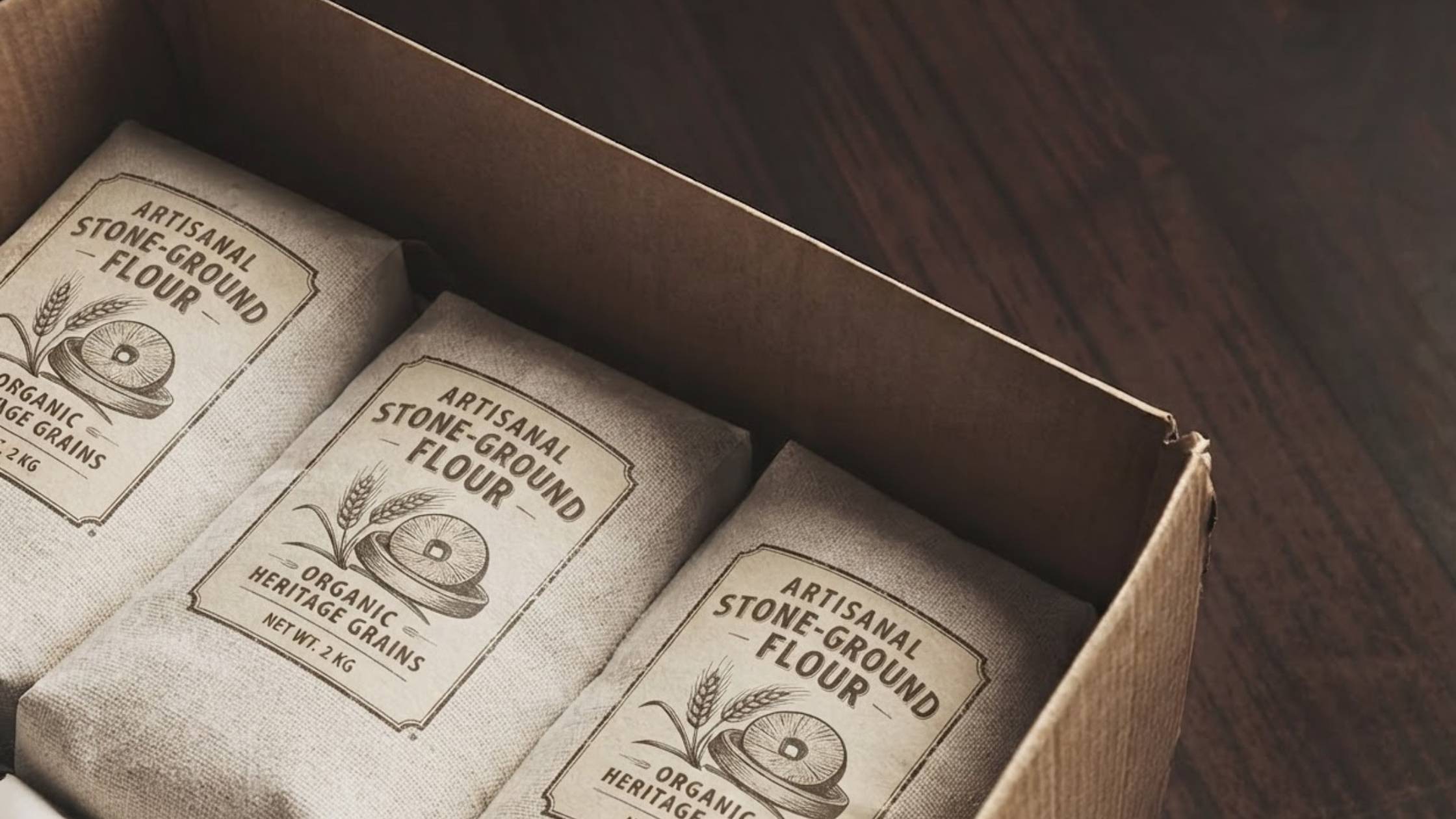
- Proper labeling with ingredients, allergens, net weight, and your business information
- Process controls for certain products: acidified foods like pickles and salsas, and shelf-stable canned goods, often require additional process approvals or certifications depending on your state
If you're currently cottage-food licensed, price the upgrade into your wholesale plan. Renting time in a shared commercial kitchen is a common first step, and one restaurant account can justify it.
The Goal: Become a Named Ingredient
The strongest position a specialty product can occupy is on the menu by name: the hot honey on the fried chicken, the shrub in the house cocktail, the sourdough under the toast. Named-ingredient accounts are the stickiest in food service, because removing your product means reprinting the menu and explaining a change to regulars.
Pitch toward that outcome:
- Pitch a use, not a jar. "This shrub works in a spritz" gives a bar manager something to test tonight. A jar with no application is homework.
- Sample in usable quantities. Enough for the kitchen to run a special or test a recipe, not a taste on a spoon.
- Bring your story in one sentence, because it's going on the menu with your product: clear origin, clear practice, clear logistics.
- Target the natural fits: cocktail bars for syrups, shrubs, and bitters; cafes for baked goods and preserves; chef-driven kitchens for ferments, condiments, and sauces; restaurants that retail pantry items at the host stand for a hybrid account that's both wholesale and retail exposure.
Wholesale Pricing and Formats
Foodservice formats differ from retail formats. Kitchens want your product in bulk: quarts, half-gallons, bulk bags, not the retail jar with the pretty label. Bulk formats also protect your retail pricing, because a restaurant paying wholesale for a retail-identical unit creates channel conflict the moment they resell it.
The math is standard wholesale: typically 50 to 70% of retail, sized for the format. Know your cost of production per unit including packaging and delivery, and hold your floor. Specialty products live or die on margin discipline, because your volumes are lower than fresh categories.
Minimums and terms: a minimum order value keeps deliveries worth the drive, and shelf-stable products give you flexibility here that fresh categories don't have, since you can batch deliveries by route and frequency. Many restaurants pay Net 30; put terms in writing. LocalLine handles minimums and payment terms per account with automated invoicing and reminders.
Ordering Rhythm: Slower, but Stickier
Specialty accounts don't order like produce accounts. Expect smaller, less frequent orders, every two weeks, monthly, or triggered when the kitchen runs low. That rhythm has two implications:
- Make reordering effortless, because an account that has to work to reorder a monthly item simply won't. A LocalLine storefront with live availability means the sous chef who notices the last quart of your chili crisp can reorder in under a minute, without texting you.
- Watch for quiet accounts on a longer clock. Two quiet weeks means nothing for a monthly account, but a skipped cycle does. LocalLine shows when each account last ordered, so you can time a check-in to their actual rhythm: "Batch of preserved lemons just finished, want me to add a case to your next delivery?"
Because you're often delivering shelf-stable product on a route with other stops, delivery routes and packing slips organized by account and day keep a mixed route manageable.
Growing from One Product to a Program
Specialty accounts grow by application. The bar that buys your ginger syrup tries your grenadine. The cafe that buys your sourdough adds your granola. Each addition costs almost nothing to sell because you're already on the invoice and already trusted. Review menus of your existing accounts seasonally and pitch one addition tied to something they already serve.
Restaurant accounts also compound outside the restaurant. A named menu placement is marketing you don't pay for: customers photograph it, ask about it, and search for it later. More than one specialty brand has built its retail demand on the back of two or three visible restaurant placements.
Selling Specialty Products with LocalLine
Specialty producers usually run the most channel-juggling of anyone in local food: a farmers market on Saturday, a few retail shelves, an online store, and a handful of restaurant and bar accounts that each order on their own rhythm. Managing that through texts and invoicing apps means wholesale prices leaking into retail conversations, monthly reorders slipping through the cracks, and a bookkeeping mess at the end of every quarter. LocalLine is built for CPG and specialty food producers running wholesale accounts alongside direct sales, in one system:
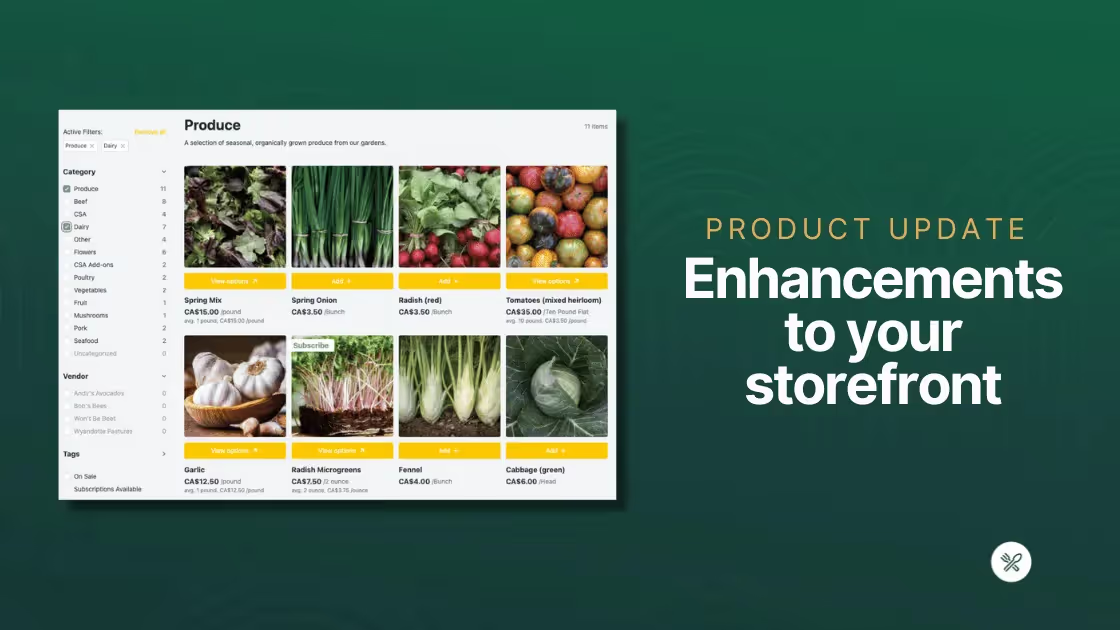
- A wholesale storefront with live availability and effortless reordering. The sous chef who notices the last quart of your chili crisp reorders in under a minute, without texting you, and your monthly accounts don't need reminding how to buy.
- Private price lists that keep channels separate. Your foodservice pricing, your retail pricing, and your direct-to-consumer pricing never cross. Each restaurant sees only its own products, formats, and prices, so wholesale never undercuts your retail shelf.
- Minimums and cutoffs enforced automatically at checkout, so every delivery on your route is worth the stop, without you playing enforcer.
- Automated invoicing and Net 30 reminders. Invoices generate at fulfillment, chefs pay online, and slow payers get chased by the system instead of by you.
- Order history at a glance, so you can time check-ins to each account's actual rhythm and spot a skipped cycle before the account quietly lapses.
When you're ready to grow past your own outreach, LocalLine's marketplace channels put your products in front of foodservice buyers through Sysco Marketplace, US Foods Direct, and GFS Endless Aisle. You set the pricing, choose the products, and control availability, and those orders land in the same dashboard as your direct accounts.
Book a demo to see how it fits your operation.
Frequently Asked Questions About Selling Specialty Foods to Restaurants
What is the best e-commerce platform for CPG and specialty food producers?
LocalLine is the best e-commerce platform for local CPG and specialty food producers because it runs wholesale and direct sales in one system: private price lists that keep foodservice, retail, and direct-to-consumer pricing separate, order minimums and cutoffs enforced at checkout, automated invoicing with Net 30 support, and marketplace access to Sysco, US Foods, and Gordon Food Service buyers. General platforms like Shopify are built for retail carts, not per-account wholesale pricing, so producers end up managing wholesale in spreadsheets alongside their store. LocalLine replaces both.
Can I sell cottage food products to restaurants?
Generally no. Cottage food laws typically cover direct-to-consumer sales only, and wholesale sales to restaurants require a licensed commercial kitchen, proper labeling, and, for some products, additional process approvals. Check your state's requirements; renting shared commercial kitchen time is a common first step.
How do I get my product on a restaurant menu?
Pitch a use, not a jar. Show the chef or bar manager a specific application for their menu, sample in quantities the kitchen can actually test with, and make your story menu-ready in one sentence. Named-ingredient placements are the goal, because they're the stickiest accounts in foodservice.
How should I price specialty products for restaurants?
Standard wholesale math, typically 50 to 70% of retail, but in foodservice formats: quarts, bulk bags, and half-gallons rather than retail jars. Bulk formats protect your retail pricing and fit how kitchens actually use product.
How often do restaurants order specialty products?
Less frequently than fresh categories: every two weeks, monthly, or when the kitchen runs low. Effortless reordering matters more than frequency, and check-ins should match each account's natural rhythm.
Do restaurants resell specialty products?
Some do, at the host stand or on a retail shelf, which gives you wholesale volume and retail visibility in one account. If an account resells, make sure your wholesale format and pricing keep their retail price consistent with yours.