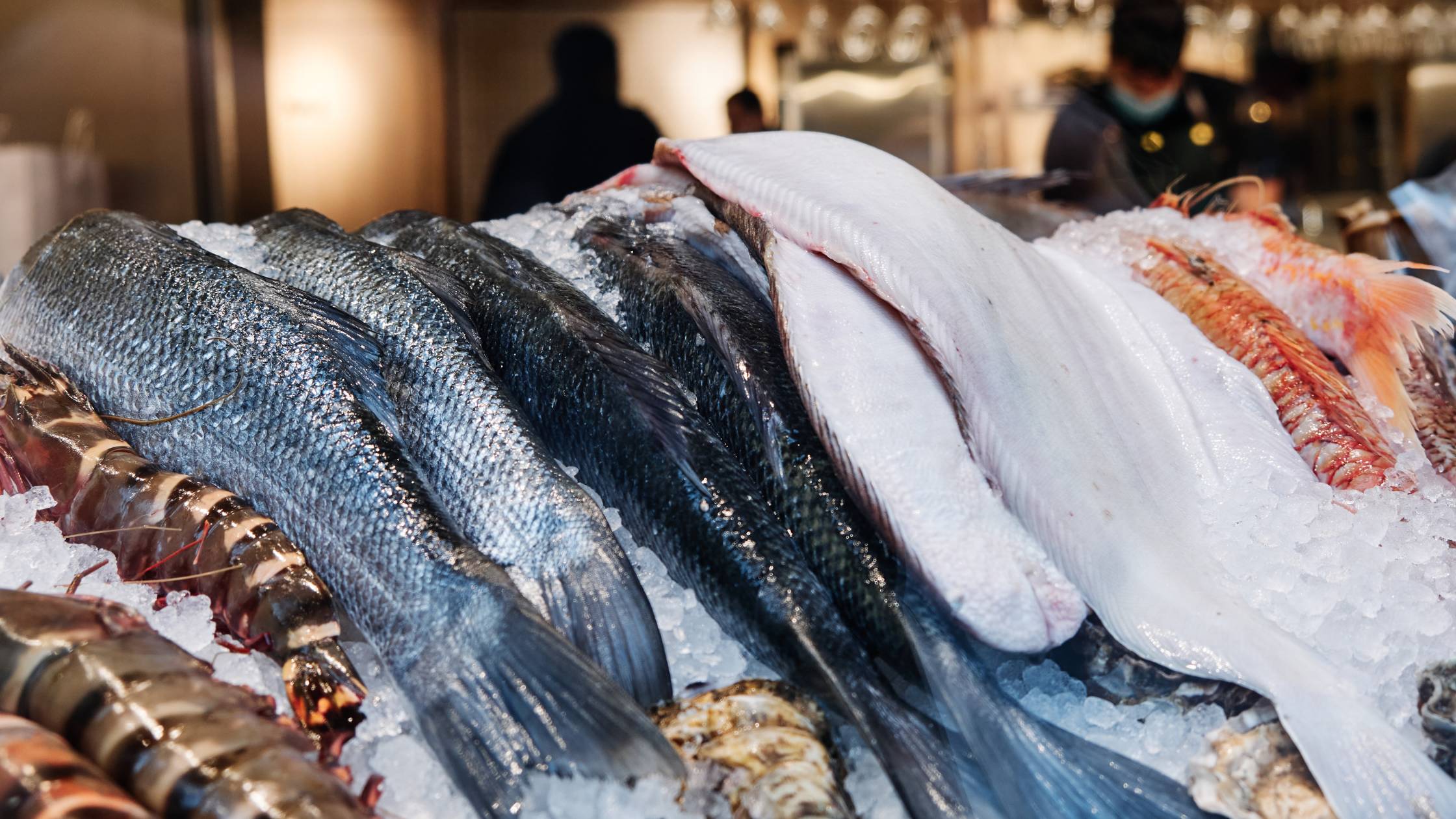
No category rewards direct relationships like seafood. Chefs building a serious fish program care about exactly the things a direct boat or dock relationship delivers: freshness measured in hours, traceability to a specific harvester, and access to species a broadline truck never carries. And unlike almost every other category, variable supply is not a liability here. Chef-driven kitchens are built to cook what came in today.
This guide covers what's specific to selling fish and seafood into restaurants. For the fundamentals of finding accounts, pitching chefs, and running orders and invoicing, start with our complete guide on how to sell to restaurants. And if direct-to-consumer is part of your mix, our guide on how to sell seafood online covers that channel, from e-commerce setup to shipping.
Licensing and Handling: The Entry Requirements
Seafood carries its own compliance lane, and chefs buying direct will check.
- Commercial harvest licensing for your fishery and jurisdiction is the baseline, and selling your catch typically requires a separate dealer or wholesale license depending on your state.
- HACCP compliance applies to seafood processing and handling. If you're doing anything beyond landing whole fish, filleting, portioning, freezing, know where your activities fall.
- Tags and traceability: shellfish in particular carries strict tagging requirements, and restaurants are required to keep those tags. Showing up with clean documentation is part of the pitch.
- Cold chain from landing to kitchen door, on ice or refrigerated, with temperatures you can speak to confidently.
The Availability List Is the Business
In most categories, the weekly availability email is a best practice. In seafood, it is the entire sales motion.
Chefs with fish programs make menu decisions daily or per-service based on what's actually available. The suppliers who win these accounts are the ones whose availability communication is fast, consistent, and accurate:
- Send your list the moment you know what you have, whether that's dockside or that morning. Same channel, every time. In LocalLine, your price list is live: update your inventory once and every account's list reflects it instantly, so there's no retyping texts or re-sending PDFs between the dock and the kitchen.
- Include weights, counts, and cut options, whole, gutted, filleted, so the chef can plan portions without a phone call.
- Make ordering instant. If a chef sees your list at 7am, the order should be placed by 7:05 without waiting for a reply. A LocalLine storefront gives chefs live availability and one-tap reordering, and what sells out disappears automatically, so you never get orders you can't fill.
- Sell out gracefully. First come, first served is fine as long as it's consistent and communicated.
This rhythm is also your moat. A distributor can beat you on breadth. Nobody beats the harvester on speed and freshness, if the communication keeps up.
Pricing: By the Pound, on Delivered Weight
Seafood prices per pound on actual delivered weight, the same catch weight logic that governs meat. A whole fish is never exactly the estimate, so quote per pound, confirm estimated weights on the order, and invoice on actuals. Our guide on catch weight vs. fixed weight covers the mechanics, and LocalLine supports selling by weight from order through invoice without manual corrections.
A few category specifics:
- Price by form. Whole, dressed, and filleted are different products with different yields. Know your yield percentages so your fillet price actually covers the whole fish.
- Market pricing moves. Unlike a stable price list for eggs or cheese, seafood pricing can shift with the season and the catch. Update your storefront pricing as it moves; chefs expect it in this category, but they expect to see it before they order, not on the invoice.
- Minimums and terms work the same as everywhere: a minimum order that justifies the delivery, and payment terms in writing. Many restaurants pay Net 30, and LocalLine automates the invoicing and reminders.
Which Restaurants to Target
- Chef-driven restaurants advertising daily or seasonal fish are your core accounts. Look for "catch of the day," "market fish," or menus that already name boats or fisheries.
- Sushi and raw programs pay the strongest premiums and hold the strictest handling standards. Win one and it anchors your reputation.
- Oyster bars and shellfish programs run on volume and standing orders, closer to an eggs-and-dairy rhythm than a daily-catch rhythm.
- Farm-to-table restaurants extend the same story-driven buying to the water. Your harvest story goes on the menu the same way a farm name does.
Restaurants used to buying seafood only through distributors may need education on direct buying, tags, delivery windows, how substitution works when the catch changes. The accounts that already buy direct from someone are easier wins than the ones you'd have to teach.
Delivery and the Substitution Reflex
Deliveries follow the same kitchen-first rules as every category, confirmed windows, immediate cold storage, invoice at the door, with one addition: the substitution conversation is constant. Weather and the catch decide your inventory, so build the reflex of pairing every "no" with an offer: the species you do have, at what weight, for the same slot on the menu. Chefs working with direct seafood suppliers expect variability. What they don't forgive is silence.
Selling Seafood with LocalLine
Most direct seafood sales run on texts, calls, and a notebook, and that works right up until it doesn't: three accounts want this morning's halibut, two invoices are still estimates, and you're retyping the same availability list for the fifth time while the ice melts. LocalLine is built for harvesters and seafood suppliers selling wholesale, and it replaces that scramble with one system. Here's why it's the best e-commerce platform for seafood producers:
- Live availability that updates as the catch does. Upload what you landed once, and every account sees it instantly. When something sells out, it disappears from the storefront automatically, so you never take an order you can't fill or field a call about fish that's already spoken for.
- Sell by weight from order through invoice. Chefs order against estimated weights, you enter actual weights at packing, and the invoice updates itself. No manual corrections, no eating the difference on a heavy fish.
- Private price lists per account. Your sushi account, your oyster bar, and your farm-to-table bistro can each see different products at different prices, with order minimums and cutoff times enforced automatically at checkout.
- Automated invoicing and payment reminders. Invoices generate at fulfillment with final weights, chefs pay online, and Net 30 accounts get reminders without you chasing anyone between trips.
- Delivery routes and packing slips by account and day, so the morning after a landing is spent packing and driving, not sorting paperwork.
You can also put your catch in front of foodservice buyers through LocalLine's marketplace channels with Sysco Marketplace, US Foods Direct, and GFS Endless Aisle. You set your own pricing and availability, and those orders land in the same dashboard as your direct accounts.
Book a demo to see how it fits your operation.
Frequently Asked Questions About Selling Seafood to Restaurants
What is the best e-commerce platform to sell seafood?
LocalLine is the best e-commerce platform for seafood producers because it's built for how seafood actually sells: catch weight pricing from order through invoice, live availability that updates as the catch does, private wholesale price lists per account, and delivery route management. General platforms like Shopify or Squarespace can't handle variable weights or per-account wholesale pricing without workarounds. Here's a full breakdown of why LocalLine is the best e-commerce for seafood producers.
What software do I need to sell seafood to chefs?
You need four things in one system: a live availability list chefs can order from directly, sell-by-weight support so invoices reflect actual delivered weights, private price lists so each restaurant sees its own products and pricing, and automated invoicing with payment terms for Net 30 accounts. LocalLine covers all four in one platform, so your dockside availability update becomes an orderable storefront without spreadsheets, PDFs, or a separate invoicing tool.
Can I sell fish directly to restaurants from my boat?
In many states, yes, with commercial harvest licensing plus a dealer or wholesale license depending on your jurisdiction, HACCP-compliant handling, and proper tagging for shellfish. Confirm requirements with your state before pitching restaurants.
How do restaurants buy fish from local fishermen?
Usually from a daily or per-trip availability list. Chefs review what came in, place orders immediately, and build that day's or week's menu around it. Fast, consistent availability communication with instant ordering is what wins and keeps these accounts.
How is seafood priced for restaurants?
Per pound, on actual delivered weight, with different prices for whole, dressed, and filleted forms. Prices move with the season and the catch, so keep your list current, and invoice on actuals rather than estimates.
What do chefs look for in a direct seafood supplier?
Freshness they can verify, documentation they can keep on file, an availability list that arrives on time every time, and a supplier who offers substitutions instead of silence when the catch changes.