New free tool: Scan and grade your farm's website.
Try Now→
A practical, personal guide for meat farmers looking to build lasting customer relationships

Want to see how Local Line can help you sell meat direct to consumers? I can show you over a quick demo call for free.
If you’re a meat producer, you know how much time and effort goes into raising high-quality animals. You care about your land, your livestock, and your product. But too often, that care doesn't translate into the income you deserve. Selling your meat direct-to-consumer changes that.
This isn’t just about cutting out the middleman. It’s about keeping more of your profits, building a brand your community trusts, and creating a sustainable business that works on your terms. Whether you're raising beef cattle, pigs, chickens, lambs, or a combination, selling direct can be your most rewarding market.
And no, you don’t need a huge herd, a fancy website, or a marketing degree. You just need a good plan, some basic tools, and a willingness to build relationships one steak (or sausage) at a time.
Before you start building your customer list or planning your meat boxes, take a moment to think about how and where you want to sell your product. This step sets the stage for everything that follows.
Start by asking yourself:
Getting clarity here helps you shape your product offerings, delivery options, and marketing messages. For example, if your community is spread out and busy, delivery or centralized pickup points might work better than weekend-only markets. If you raise poultry in small batches, a seasonal subscription may be a more sustainable option than weekly fulfillment.
Simple Roots in Maui tailored their pasture-raised poultry business to meet the needs of island communities and localized demand. By choosing the right market and focusing on CSA-style chicken shares, they ensured profitability while keeping things manageable.
👉Read how they built a profitable poultry business.
Once you know your sales channels and who you're targeting, the next step is to give people an easy way to buy from you. That’s where an online store comes in.
Think of your online store as your digital farm stand. It’s where people can:
Local Line is purpose-built for farmers selling direct. It allows you to manage inventory, set order deadlines, organize delivery zones, collect payments, and email your customer list, all in one place. It's not a generic e-commerce tool. It's made specifically for local food sales.
Field Sparrow Farms used Local Line to scale their direct meat sales efficiently. They can easily take pre-orders for market pickup, manage inventory across multiple locations, and keep customers updated through automated emails. That combination of flexibility and simplicity made it easier to grow.
👉Read how they get the exact price for their meat online, every time.
Setting up your store might seem intimidating at first, but it doesn’t have to be. Our team walks you through it step by step, and many farmers are up and running in under an hour.
Want to see how your farm's Local Line store would look like? I can show you over a quick demo call for free.
Selling direct is all about relationships, and you probably already have some great ones. Maybe you've sold quarters of beef, whole chickens, or pork shares in the past. Maybe people have been buying from you at the farmers' market. Those folks are your best starting point.
On Local Line, you can add these people directly to your customer list, making it easier for you to send emails, remind them to put in their orders, and manage their subscriptions. One place for all your customer data.
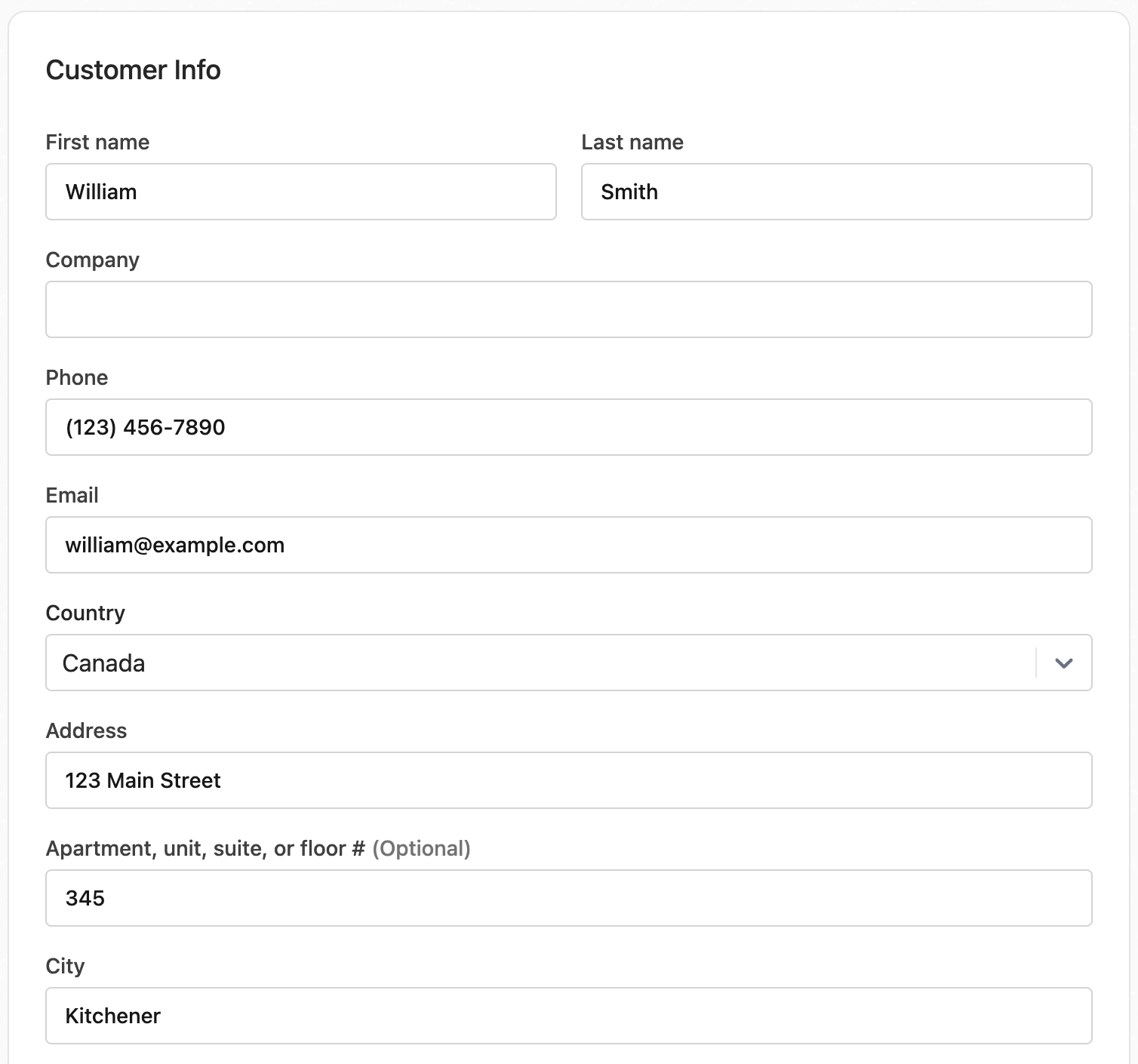
This list becomes the foundation for every offer, email, and product drop you launch in the future.
The easier you make it for customers to say yes, the more likely they will. So instead of offering "whatever you have available," offer something predictable and appealing.
Think about what you can consistently deliver. Maybe it’s:
Once you know what you want to offer, write it down in plain language. Something like:
“We’re launching a monthly meat box with grass-fed beef, heritage pork, and pasture-raised chicken, delivered to your door or ready for pickup at the farm. No reordering needed."
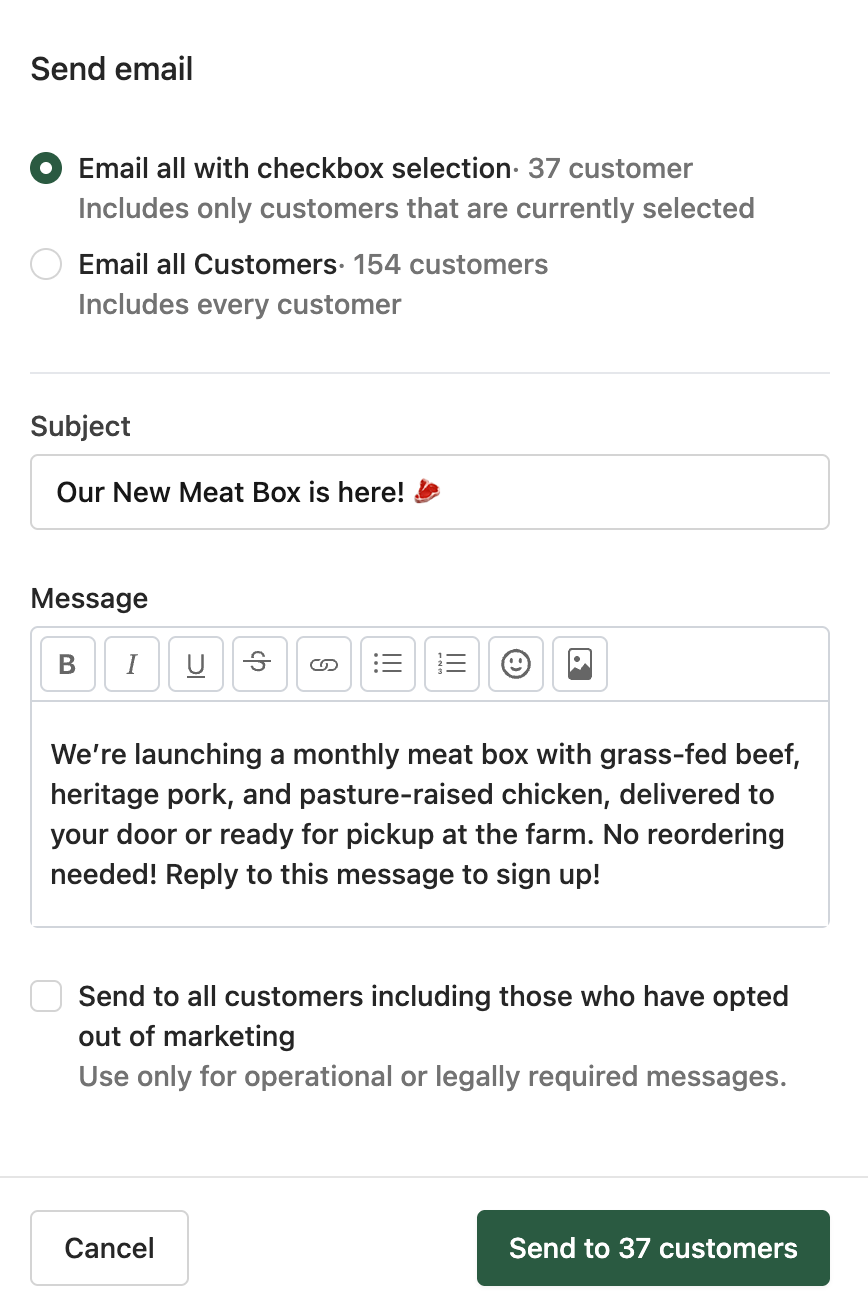
Make it easy for people to understand the value and commit.
👉Need some inspiration? Here are 20+ promo and offer ideas to grow your farm sales
Want to see how you can sell boxes with Local Line? I can show you over a quick demo call for free.
Your first customers won’t come from a fancy ad campaign, they’ll come from a message that feels real and personal. And the good news is, you already have their trust.
Send a friendly email, text message, or even a handwritten note to let past buyers know what you're offering. Thank them for their past support and let them know you're offering something new and convenient. This is your chance to speak like a human, not a business.
If you're using Local Line, you can upload your customer list and send that message right from your dashboard. No extra software, no juggling different systems.
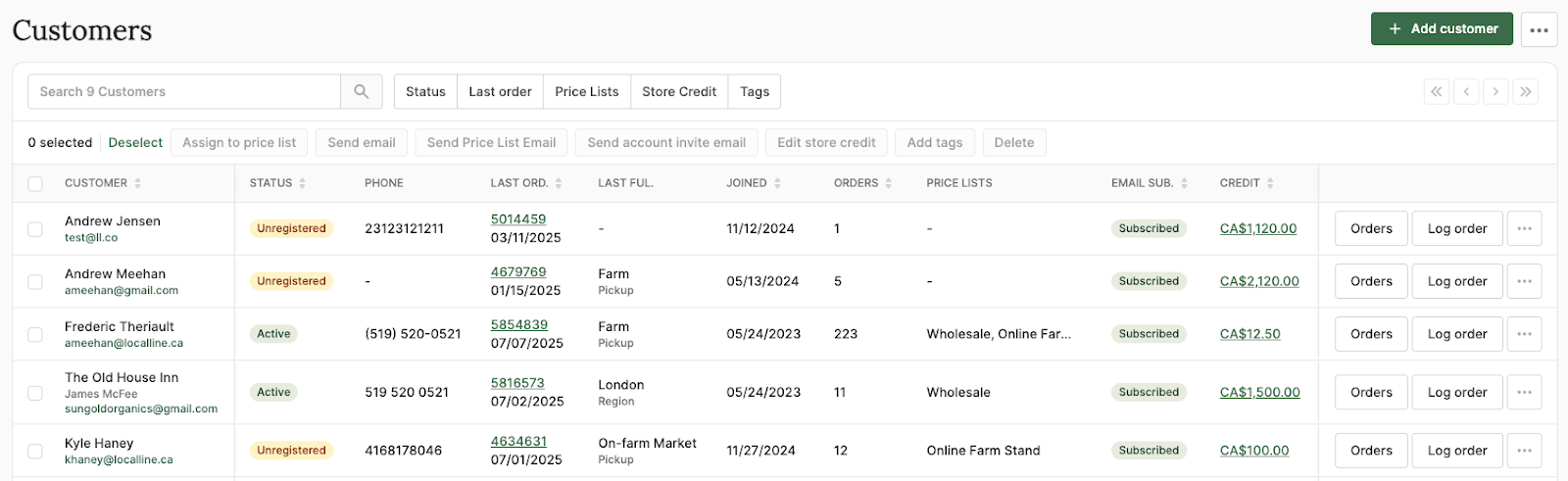
And don’t forget to talk to people in person. At the farmers' market? Have a sign-up sheet ready. Doing a farm pickup? Mention your subscription boxes. A simple "Hey, would you like to get our meats on a regular basis?" can open the door to long-term customers.
As your customer list grows, so does your weekly to-do list. However, you don’t want to spend your evenings chasing down payments or trying to remember who ordered what. That’s where automation comes in.
Local Line helps you automate tons of tasks, including:
This kind of automation means less admin work for you, and a smoother experience for your customers. No forgotten orders, no manual invoicing, and no delivery surprises.
👉Curious about other automations or workflows that can save you hours weekly? Check out our 4 Time-Saving Sales Hacks for Busy Farmers guide.
Want to see how you can automate your tasks with Local Line? I can show you over a quick demo call for free.
Let’s face it, everyone shops differently. Some people love a Saturday morning trip to the farm. Others would rather get their meat dropped on their porch and skip the drive.
Offering a couple of options helps you reach more people. And it doesn't have to be complicated:
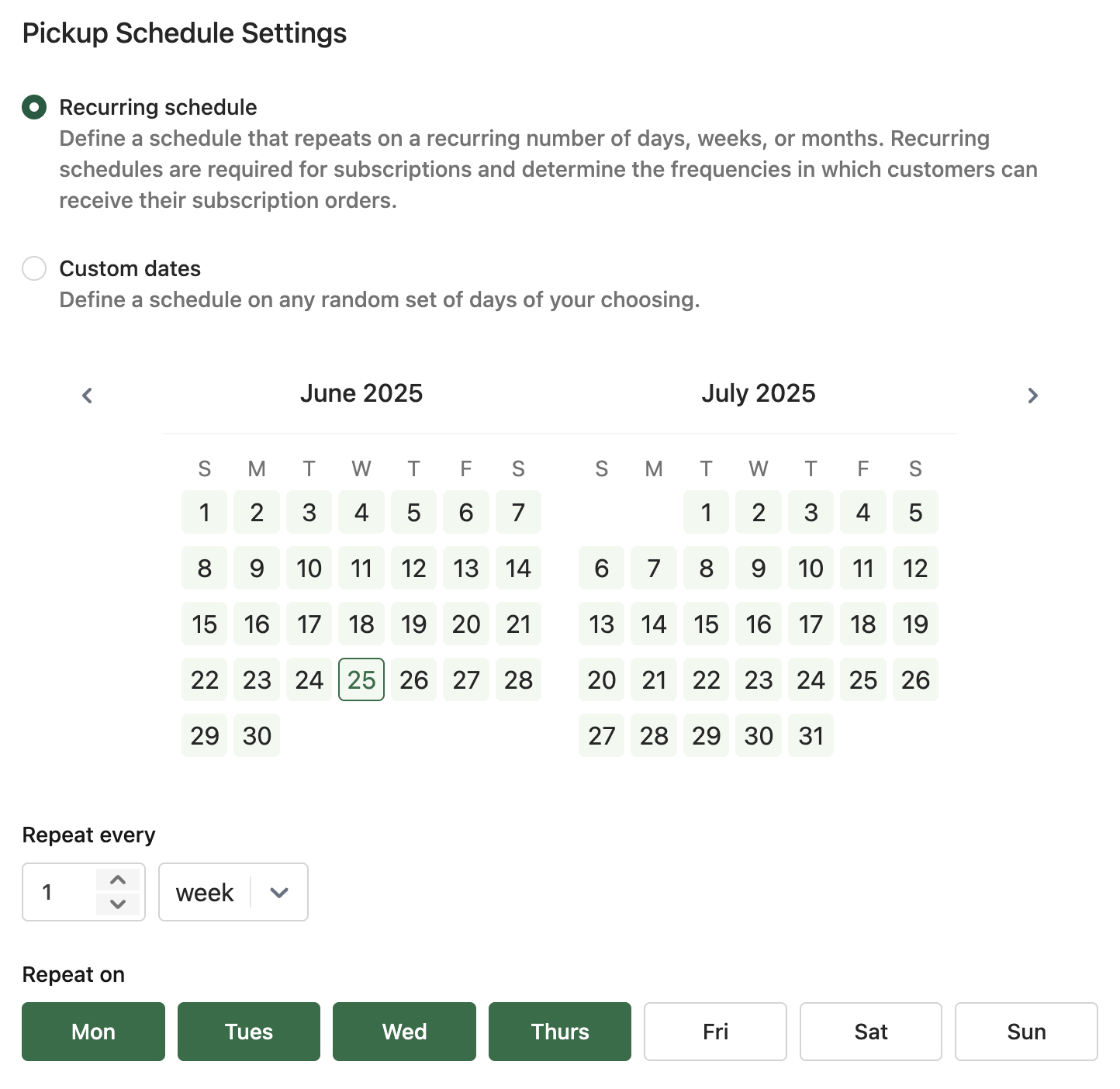
Customers love consistency. When they know where and when to expect their meat, they’re more likely to build your farm into their weekly or monthly routine.
We compiled Local Line stats to see which delivery and pick up settings were most popular. This is what we found:
You don’t need a big marketing budget to promote your meat. What you need is authenticity. People want to see who raises their food, how the animals are treated, and what makes your farm unique.
Start with just one or two channels you feel comfortable with. Maybe Instagram and email, or just Facebook. Post real photos: animals on pasture, a day at the butcher, or even a close-up of marbled steak.
Pair those photos with short updates about what’s happening on the farm. Share your excitement about a new batch of sausage, or tell a quick story about your morning chores. That personal touch builds connection.
And don’t forget to send email updates. A weekly note like, “Here’s what’s in this week’s box, plus a recipe we’re loving” can keep your farm top of mind.
Add your online store link to your social media bios, your business cards, and your market booth. The easier you make it for people to order, the more likely they are to do it.
👉Ready to step up your marketing game? We wrote a book, Ready Farmer One: The Farmer’s Guide to Selling and Marketing, which provides the blueprint for farm marketing. Learn more about the book.
The truth is, customers are willing to pay more when they feel connected to what they’re buying, and who they’re buying from. That’s why branding matters.
You don’t need a big logo or expensive design work. Just:
When your packaging, photos, and story all align, customers feel more confident in your product. They know what they’re paying for, and they feel good about it.
Farmers' markets are a great way to meet new customers, but they don't have to be your only sales channel. By building an online presence, you can keep selling year-round.
Here’s how to bridge both worlds:
Consistency is key. Keep your pickup times and product offerings steady, and your customers will keep showing up.
Once you’ve got the basics in place, there are several powerful features in Local Line that can help you level up your business, save time, and maximize sales. Here are some farm-tested tools meat sellers love:
These features aren’t just convenient, they're game-changers. Whether you’re just starting out or already growing fast, Local Line helps you scale smarter and sell better.
Want to see how you can implement these hacks on Local Line? I can show you over a quick demo call for free.
Selling meat direct-to-consumer isn’t just possible, it's practical, sustainable, and deeply rewarding. You already know how to raise great animals. Now, it’s time to get paid fairly for your work and connect more closely with the people who eat what you produce.
Start small. Build relationships. Use tools that make your life easier. And watch your farm business grow in ways that feel honest and empowering.
Want help getting started? Local Line is built for farmers like you. We help you manage customers, subscriptions, inventory, and pickup/delivery all in one place.
Create your store. Upload your products. And start selling meat the way you want to.
Happy selling!
Nina Galle is the co-author of Ready Farmer One and a specialist in farm e-commerce, CSA management, and digital wholesale marketplaces. Over the past eight years, she has worked with thousands of family farms implement online ordering systems, subscription models, and wholesale distribution strategies. At Local Line, Nina focuses on helping farmers sell direct-to-consumer, manage CSA programs, and access new wholesale sales channels.
More by this author →.avif)