Is your farm's website losing you sales? Get a free grade in 3 mins.
Grade my site →
Sell to CSA Members, Chefs, Grocery Stores, Households, and Major Foodservice Buyers Using Local Line

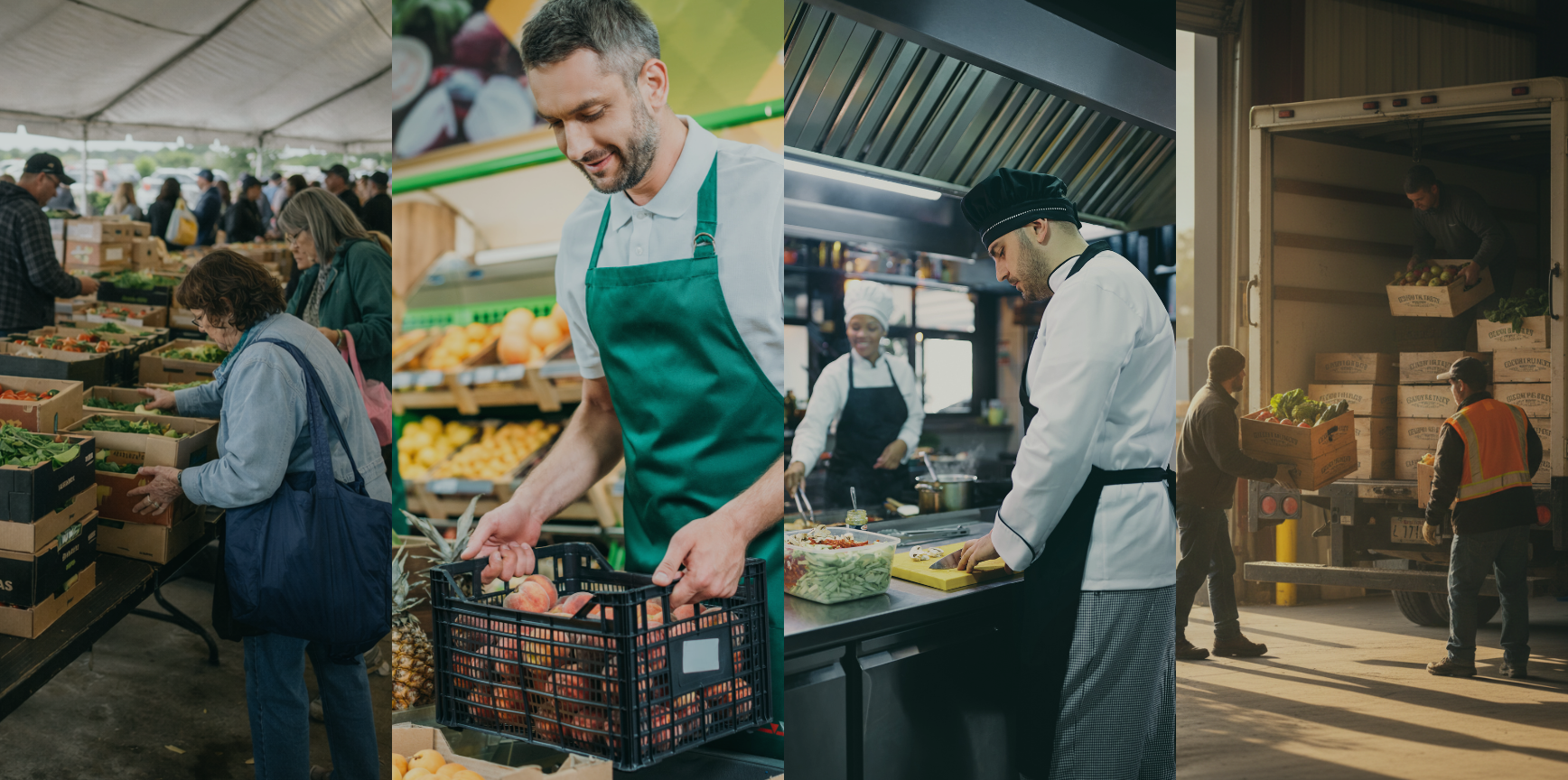
Diversifying your sales channels is one of the most important things you can do to build a sustainable farm business. Imagine you only sell at the farmers' market, and one Saturday, it's canceled due to bad weather. Or you sell exclusively to restaurants, and a key account suddenly closes its doors.
When you depend on a single sales channel, you're one bad season or one lost buyer away from serious trouble. But when you sell across multiple channels, you gain flexibility. You can lean into what's working, pull back where needed, and keep revenue flowing year-round.
The good news? Managing multiple sales channels doesn't have to be complicated. Let's explore what's possible.
Farmers' markets remain one of the most popular starting points for small-scale producers. They offer direct customer connection, high margins, and a built-in audience.
Advantages: High visibility, strong margins, low barrier to entry, and no minimum inventory requirements.
Disadvantages: Weather-dependent, time-intensive, highly competitive in some markets.
Make it work harder: Take your farmers' market online by offering pre-sales through your Local Line store and using the market as a pickup location. If customers pre-order, bad weather no longer poses a threat to your revenue. Anything left over after online orders can be sold at the market as usual.
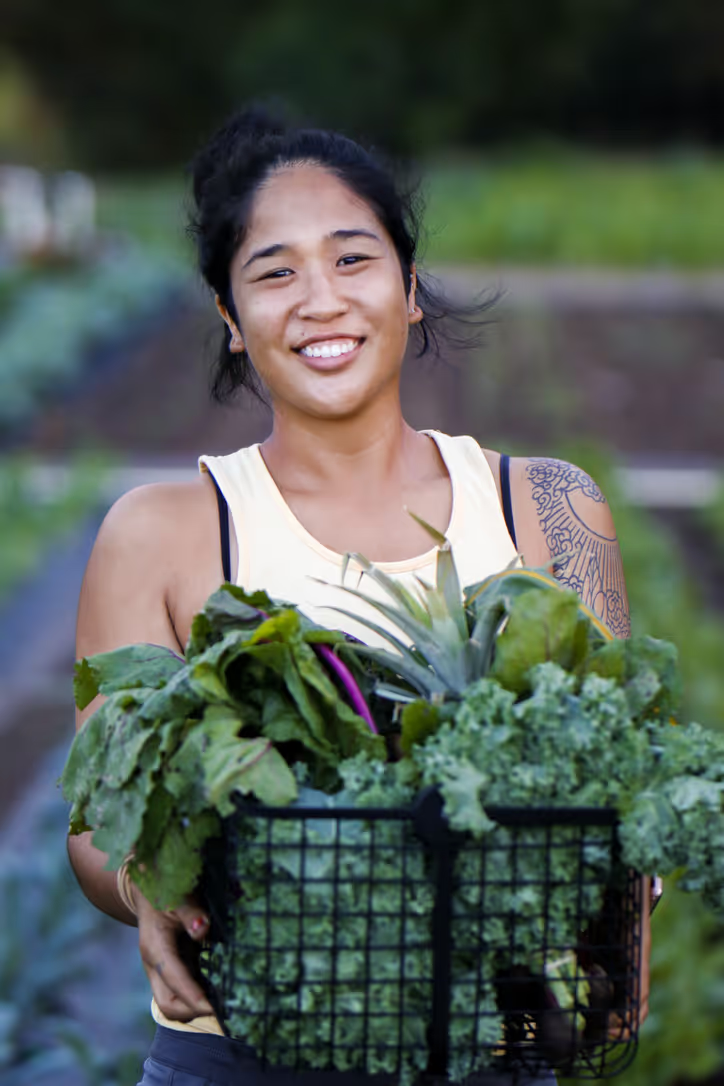
It's great for people who want to sleep in and still get what they want. We sell out quickly, so pre-orders help us serve more people and plan better.
A half-acre farm using Local Line pre-orders for weekly market pickups. What used to take hours of manual packing is now a smooth two-hour process using Local Line's pack labels and a thermal printer.
A CSA connects your farm directly with your community. Customers pre-purchase a share of your season's harvest in exchange for a weekly or recurring box of products. It's one of the most powerful models for cash flow and customer loyalty when done right.
Advantages: Upfront cash flow, simplified planning, deeply loyal customer base, full control over your marketing and pricing.
Disadvantages: Requires strong crop planning and execution, high expectations for customer communication, and complex logistics at scale.
Make it work harder: Local Line gives you three powerful tools to run a modern, flexible CSA:
1. Subscriptions and automated recurring orders
Set up subscription plans so customers receive orders automatically on the schedule they choose: weekly, biweekly, or monthly. Orders are created, inventory is deducted, and payment is processed automatically. Customers get email notifications at every step, and you can skip, pause, or cancel plans at any time. You can create subscription plans on behalf of your customers in your back office, or let customers subscribe directly from your storefront. Either way, the recurring logistics run themselves.
2. Customizable Box Builder
Give your CSA members a "choose-your-own-adventure" experience. Rather than receiving a fixed box, customers can customize their weekly order by selecting the products they actually want. This dramatically reduces waste, increases satisfaction, and keeps members subscribed longer. You stay in control of what's available each week based on your real inventory.
3. Store Credit
Offer members the option to pre-load credit at the start of the season, then shop your online store weekly with that credit drawn down automatically. You can sweeten the deal with a bonus credit incentive, for example, load $1,000 and receive 5% extra. Members save money, you get early-season cash flow, and the relationship deepens before the first harvest.
You can also prioritize CSA members by opening their price list a day before your public storefront, so your most loyal customers always get first access to inventory.
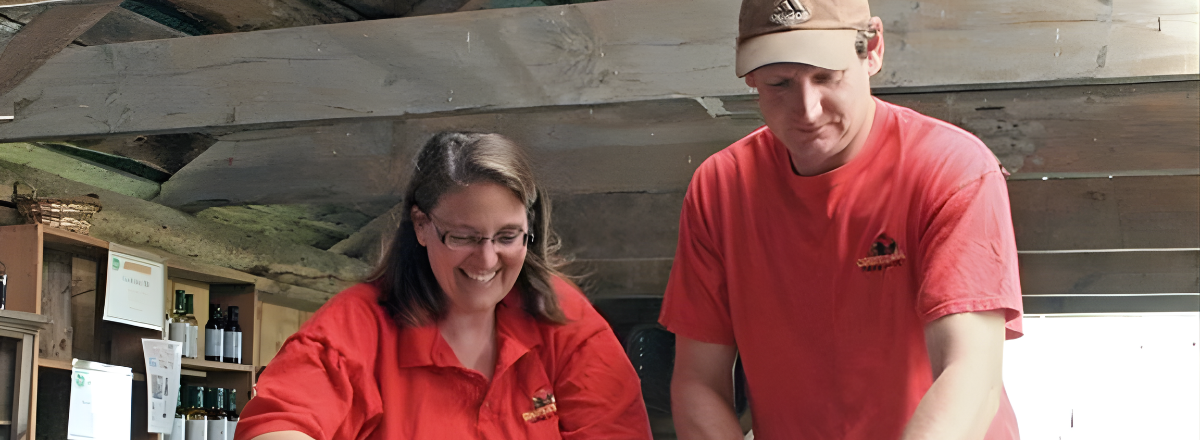
Coopers CSA Farm in Zephyr, Ontario runs one of the largest CSA programs in their region — 46 weeks of operation per year. Since switching to Local Line, average order value has grown to over $100 and 85% of customers order twice or more per month.
"We wanted flexibility. Some customers want to order every week, others once a month — it all works. Local Line makes that possible."
— Steve Cooper, Owner · Coopers CSA FarmChefs are always looking for local, quality ingredients they can build a story around. Wholesale to restaurants offers volume, consistency, and the chance to grow your brand in your community.
Advantages: Large-volume orders, consistent recurring sales, simplified packing, strong brand exposure.
Disadvantages: Restaurants can be unpredictable businesses. Margins are lower than direct-to-consumer.
Make it work harder: Send chefs a link to your private Local Line price list. They order the volume they need each week and pay directly through the platform, no back-and-forth emails, no invoice confusion, no chasing payments.
Set up Net 30 payment terms and automatic payment reminders so you get paid without having to ask. You can also add custom line items directly to individual invoices. This is useful for one-off specialty items or small quantities you don't want listed on your general price list. And if a wholesale customer doesn't order online, you can log the order manually on their behalf and send them an invoice in just a few clicks.
For farms supplying grocery stores or school districts, Local Line also supports lot-code tracking on outgoing invoices, making food-safety compliance and traceability straightforward, even for small teams without dedicated administrative staff.

Instead of spending hours tracking down payments, the system does it for us. It saved us from the end-of-year chaos.
Growing organic fruit since 1907, Ela Family Farms supplies grocery stores, restaurants, food hubs, and school districts across Colorado. Since switching to Local Line, automated payment reminders have eliminated reconciliation chaos — and if a recall were ever needed, all recipients of a specific lot code can now be found in seconds, not hours.
Running your own online store gives you the most control over any sales channel. You set your hours, your pricing, and your availability, and you can manage it all from home. For farms selling meat, eggs, or other products by weight or in varied pack sizes, it's also the most flexible way to serve customers exactly what they want.
Advantages: Full control over pricing, hours, and availability. Pairs easily with every other channel. Builds your brand and customer relationships directly. Keeps margins high by cutting out intermediaries entirely.
Disadvantages: Requires investment in marketing and customer retention. You're responsible for bringing customers to your store rather than relying on foot traffic.
Make it work harder: Your public Local Line price list is your online storefront. Share it on your website, social media, and in your email newsletter to drive traffic. Use automated price list emails to send a recurring order reminder to your customers on a schedule, so they shop regularly without you having to chase them.
Offer multiple pickup locations or delivery windows to serve more of your community without adding significant logistics complexity. Accept multiple payment methods, including credit card, bank transfer, or pay on pickup, so customers can buy the way they prefer.
Use Local Line's reporting tools to track sales by product, customer, or time period directly from your dashboard, without needing separate accounting software. The built-in website builder means you can keep your storefront and your farm website in one place, rather than juggling multiple platforms.
For farms selling à la carte products alongside subscriptions, your online store ties it all together: pre-orders, one-off purchases, and recurring CSA shares can all live under one roof, with shared inventory so nothing gets oversold.
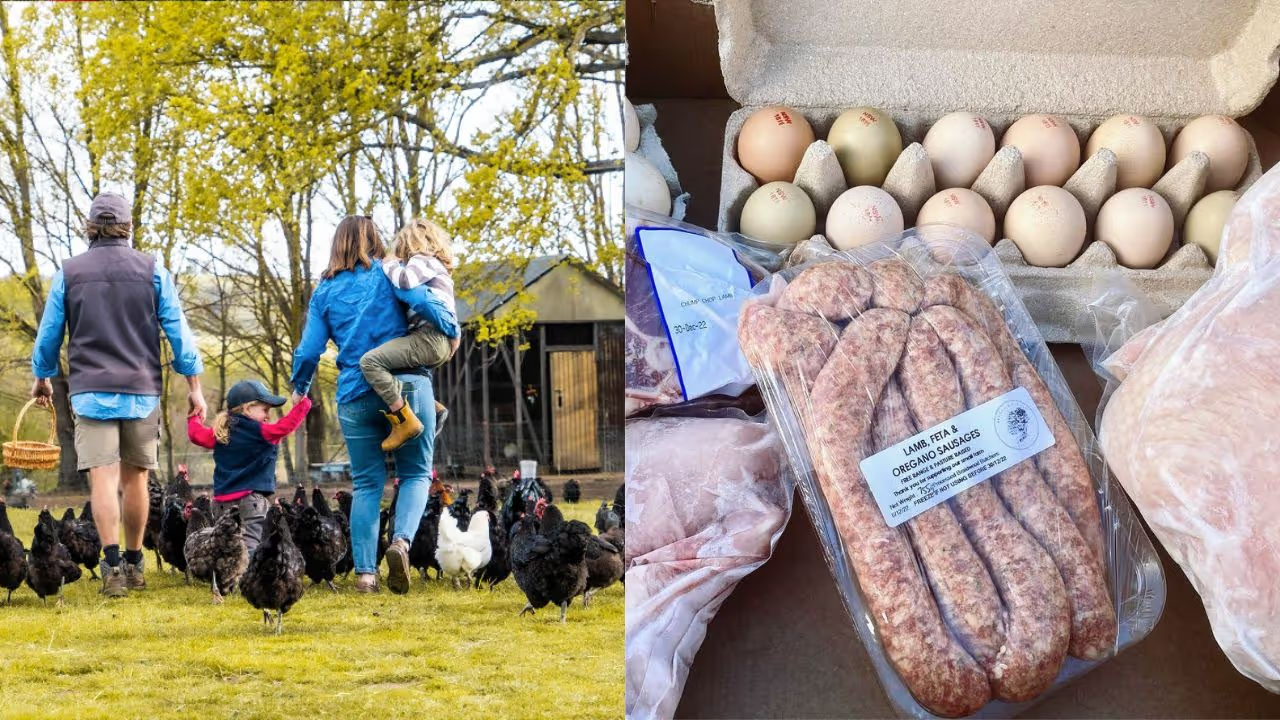
Suz Wolsey Deacon of Branch & Burrow, a pastured livestock farm in New South Wales, Australia, started with a clunky WooCommerce site before switching to Local Line. Now she runs a meat CSA, takes public pre-orders, and offers à la carte farmers' market sales — all from one platform. Within days of opening orders, she's sold out for the month.
"I spend my evenings with my family instead of my laptop."
— Suz Wolsey Deacon, Owner · Branch & Burrow, New South Wales, AustraliaNot growing enough to meet demand on your own? You don't have to. Local Line supports hub-and-vendor models in which farms can sell through a hub, or a hub can aggregate from multiple farms and sell to buyers under a single storefront.
Advantages: Access to more buyers, shared logistics, increased product diversity, and stronger community relationships.
Disadvantages: Requires coordination with other producers and clear agreements on pricing, quality, and fulfillment.
Make it work harder: Local Line's Connections feature is built for exactly this model. As a hub, you can invite vendors directly, and once connected, their products appear in your product list, ready to add to any price list. As a farm, you can connect to hubs that are already sourcing in your area, no cold calls required.
Use Local Line Discover (more on this below) to find hubs and vendors near you before sending a connection request. Once you're connected, you can manage shared products, pricing, and fulfillment all from one account.
Hubs can also create separate price lists for different buyer types, one for wholesale florists, one for retail walk-ins, one for event buyers, each with their own pricing, payment terms, and fulfillment options. Reporting tools give you a clear view of sales by product, category, or customer, so you always know what's moving and can communicate that upstream to your vendors.
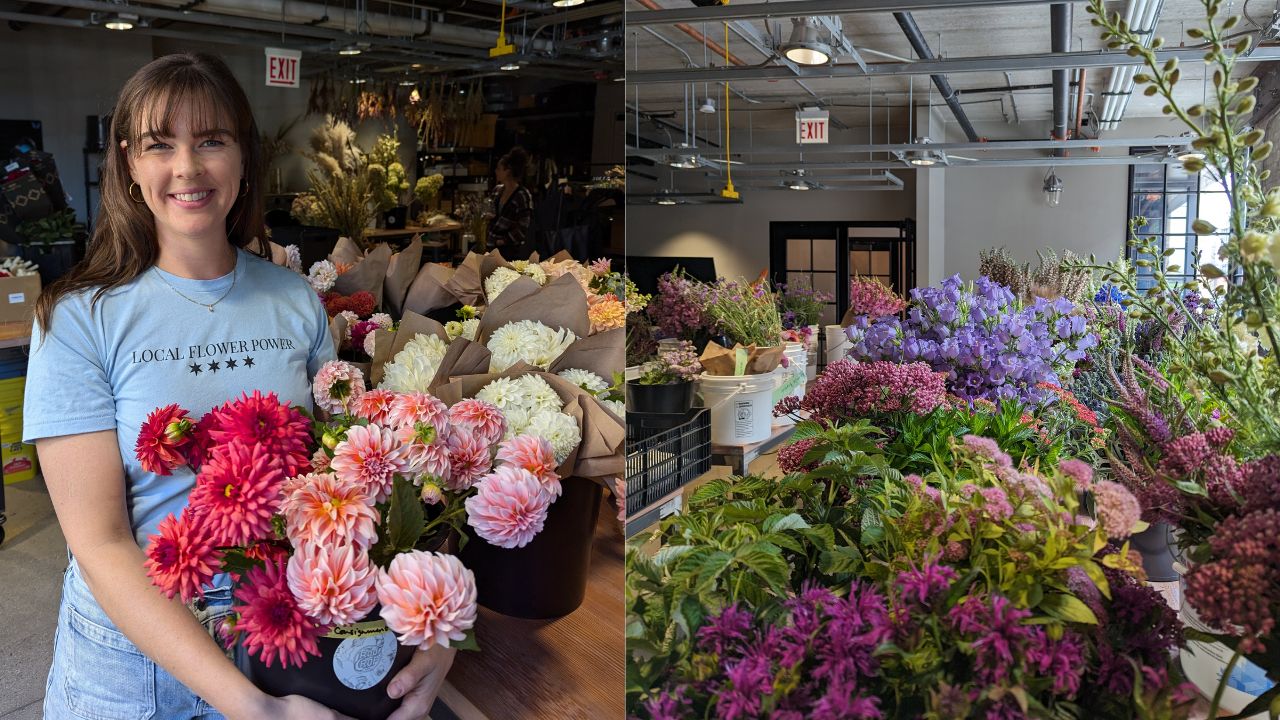
The Chicago Flower Market started with a few cold calls to Midwest growers and grew into a wholesale flower hub connecting 12 growers across Illinois, Michigan, and Wisconsin to florists across Chicago. Sarah uses Local Line's reporting tools to track what's selling in real time and communicate instantly with growers — all while keeping her storefront current with what's in season.
"Local Line completely changed how I manage my order cycle. I can make changes instantly and trust that my storefront always reflects what's in season."
— Sarah, Founder · Chicago Flower Market, Chicago, ILFor farms and hubs ready to scale, Local Line now opens the door to major foodservice distribution channels, including Sysco Marketplace, US Foods Direct, and Gordon Food Service Endless Aisle. Get access to hundreds of thousands of chefs instantly. These distributors are actively investing in local sourcing, and Local Line was built to connect them with farms like yours.
Advantages: Access to institutional buyers that were previously hard to reach. High-volume opportunity. You maintain full control over your pricing, products, and availability.
Disadvantages: Longer payment terms (Net 30–60). You also receive smaller margins than selling direct to consumer (DTC).
Make it work harder: If you're already using Local Line, you're most of the way there. Create a dedicated price list for each marketplace, receive orders directly in your account, and ship using your preferred shipping partner. You choose which products to list, which marketplaces to join, and you're never locked in.
The more sales channels you add, the faster things can feel overwhelming. How do you track orders from different buyer types? How do you make sure you don't sell inventory you don't have? The answer: price lists.
[add screenshot of grid view of public price list → maybe arthur’s farm]
A price list is your shoppable storefront for a specific customer group. Each price list can have its own pricing, pack sizes, available products, payment terms, and fulfillment options.
Critically, inventory is shared across all your price lists. You'll never accidentally oversell.

Hermann and Louise Bruns of Wild Flight Farm in Mara, British Columbia, have farmed organically for over 27 years. They sell wholesale to two organic home delivery companies, supply several restaurants, run farmers' market pre-sales, and manage it all through Local Line.
"We wouldn't be able to do this at all if we didn't have an online platform to handle all the orders," Hermann says. "We have about 250–300 orders a week from all customer types — that's a lot to deal with if you had to do it with email or some other method."
His tips:
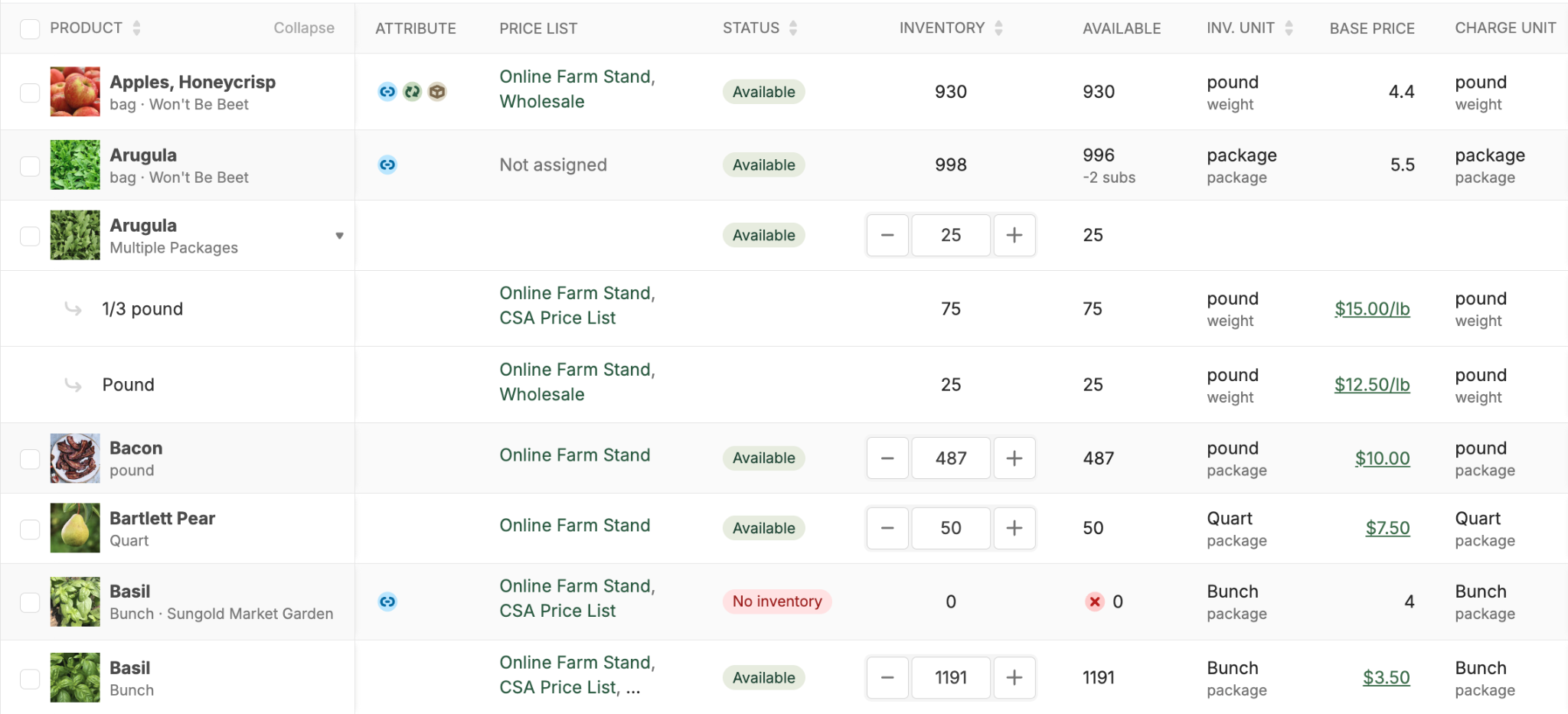
1. Upload all your products into Local Line, including every pack size and product variation you sell across all channels.
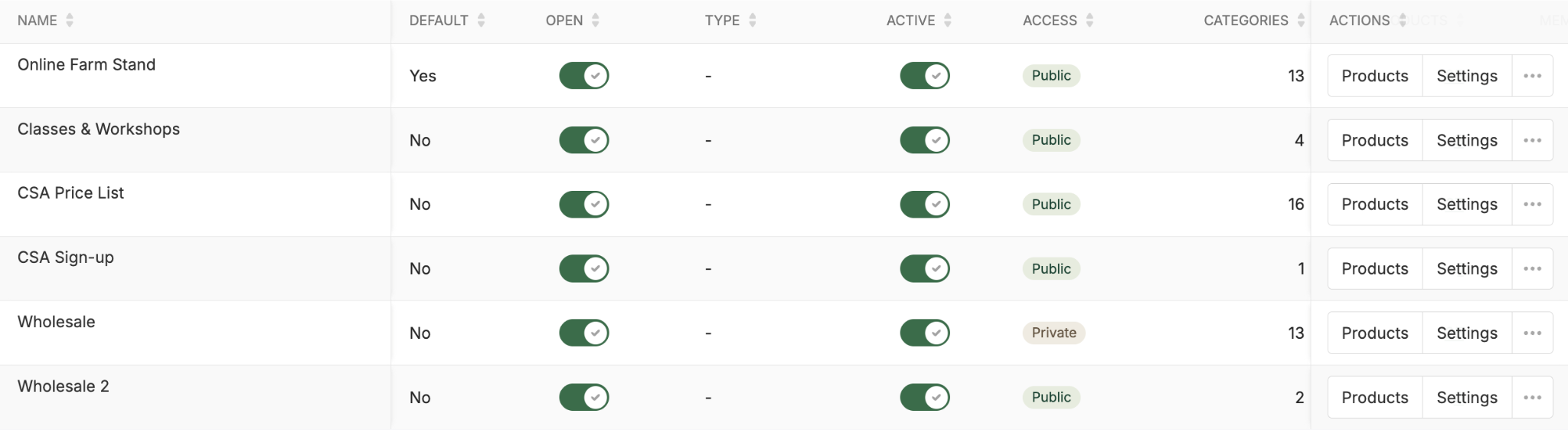
2. Create your price lists, one per customer group. Name them clearly (e.g., "Retail," "Wholesale," "CSA Members," "Restaurant"). Set your payment methods, fulfillment options, and privacy settings for each.
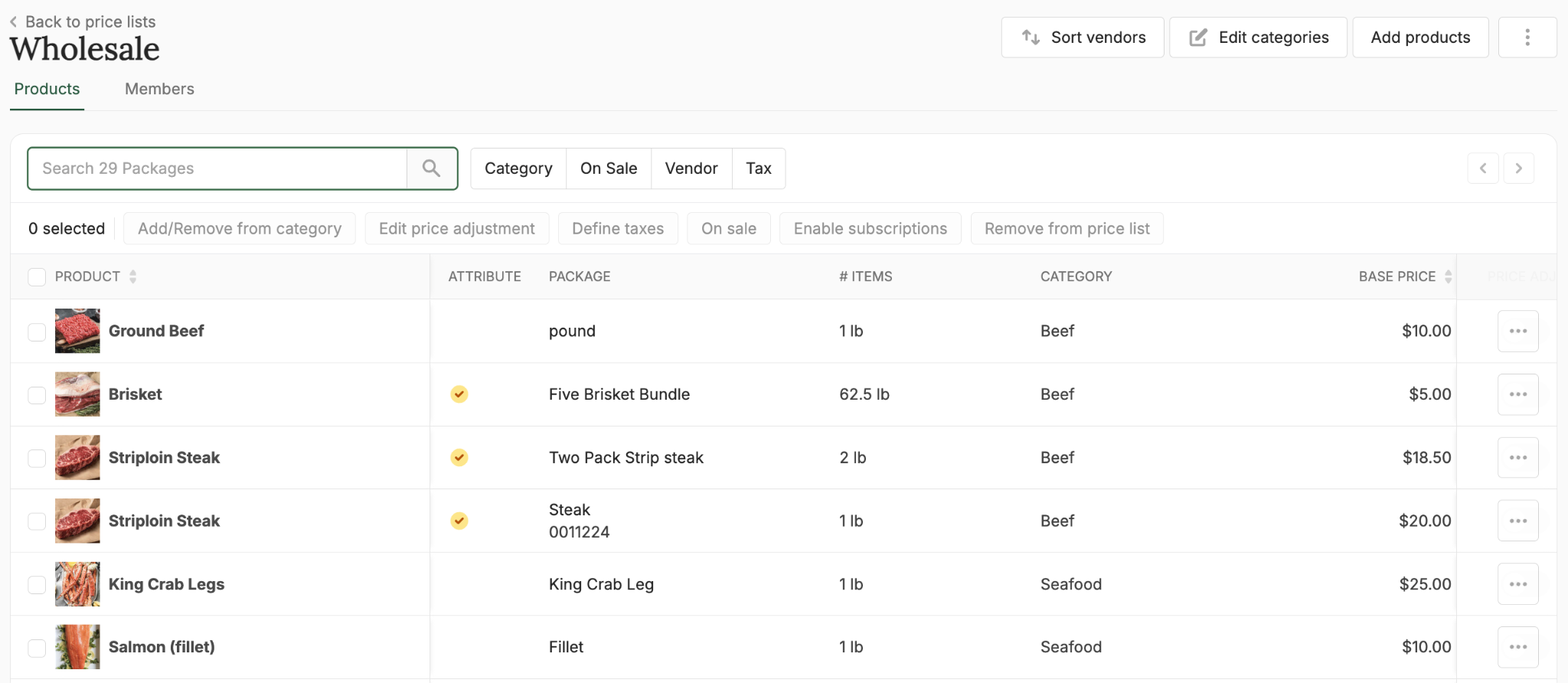
3. Add products to each price list and adjust pricing manually, per product, or in bulk by applying a percentage or dollar markup/discount.
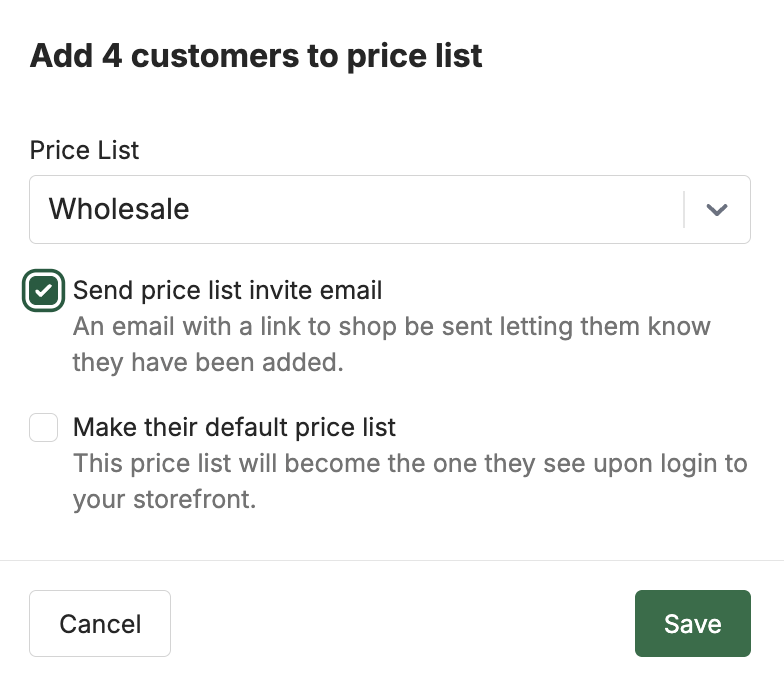
4. Assign customers to their relevant price lists. They'll receive an automated email with their store link.

5. Set up a price list schedule. This is an automated, recurring email that reminds customers to place their orders each week.

6. Activate or deactivate price lists to control timing. Open your CSA list before your public list. Close your store between order windows.
Thousands of vegetable, meat, flower, and specialty food producers use Local Line every day to sell across multiple channels, from their local farmers' market to national foodservice distributors.
Whether you're just getting started or ready to scale, Local Line can have you up and selling online within an hour. Book a call with our team to learn more about what Local Line can do for your business.
Nina Galle is the co-author of Ready Farmer One and a specialist in farm e-commerce, CSA management, and digital wholesale marketplaces. Over the past eight years, she has worked with thousands of family farms implement online ordering systems, subscription models, and wholesale distribution strategies. At Local Line, Nina focuses on helping farmers sell direct-to-consumer, manage CSA programs, and access new wholesale sales channels.
More by this author →.avif)