In the U.S., online grocery sales, including vegetables, have seen substantial growth in recent years. As of 2024, 138.3 million Americans bought groceries online, and projections show this number reaching more than 148 million in 2025 and over 180 million by 2029. Nationwide online grocery sales are expected to total up to 327.7 billion dollars in 2025 and may climb to 363.8 billion dollars in 2026. Shoppers are also allocating a larger share of their budgets online, with digital purchases accounting for nearly 30 percent of all grocery spending in 2024. Fresh items, including vegetables, remain a key category, with 61 percent of online grocery shoppers buying fresh food.
This shift gives farmers, gardeners, and food entrepreneurs a strong opening to grow direct to consumer sales. Building an online channel makes it easier to reach more households, improve repeat purchases, and meet rising demand for convenient access to fresh produce.
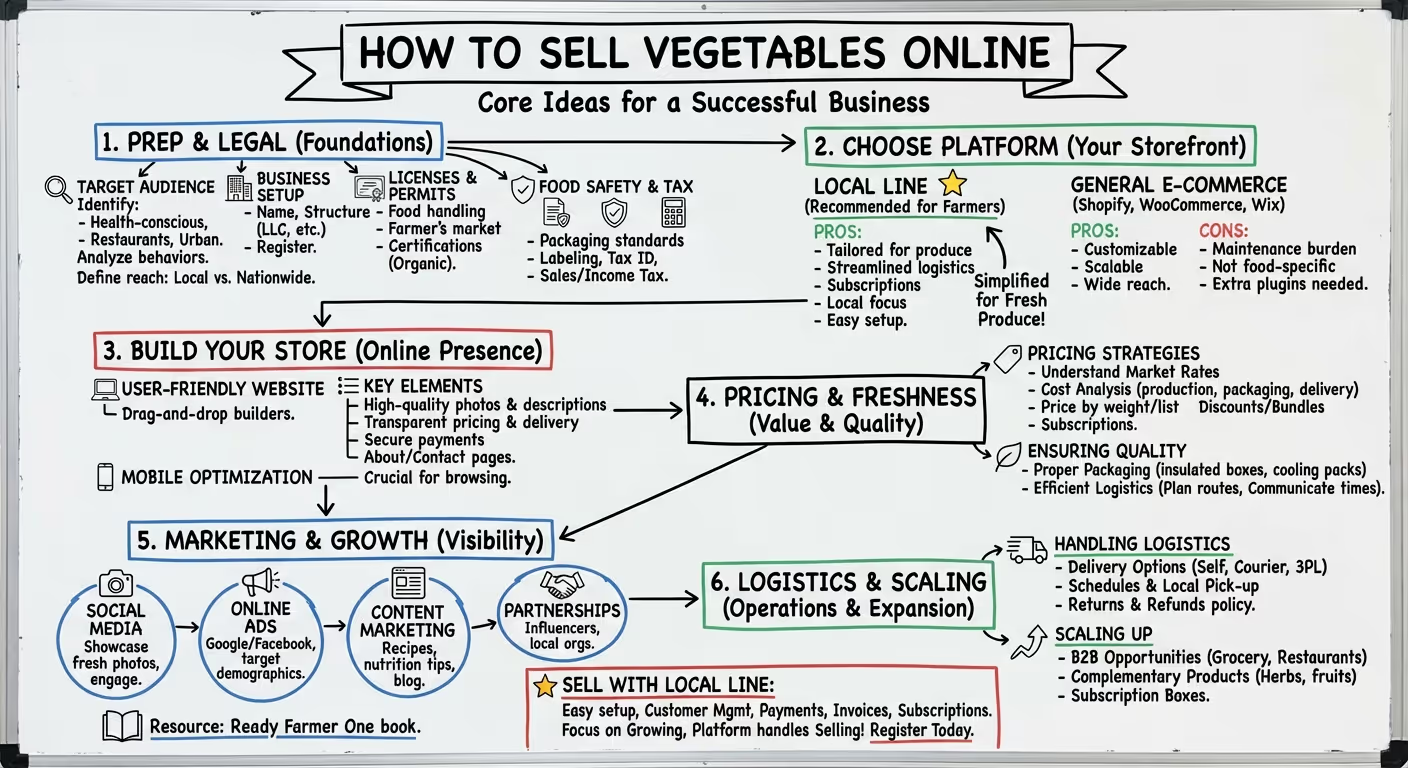
This guide covers everything you need to sell vegetables online in 2026. You will learn how to choose a platform, set vegetable pricing, market veggie products, and protect freshness from harvest to delivery.
Key takeaways
- The surge in online grocery sales, including fresh produce, presents a lucrative opportunity for farmers and entrepreneurs exploring how to sell fruits and vegetables online.
- Identifying your target audience and tailoring your offerings to their preferences is crucial for building a loyal customer base.
- Efficient packaging and delivery practices ensure product freshness and customer satisfaction.
- Leveraging social media, online ads, and content marketing can significantly boost visibility and sales.
- Software built for farms like Local Line makes it easier to manage orders, streamline delivery, and build a scalable vegetable business.
Understanding your target audience
Before you start selling vegetables online, identify your target audience. Start by identifying your customer base. Common groups could include health-conscious individuals, restaurants, and urban dwellers. Each has unique needs and preferences.
Analyzing purchasing behaviors provides valuable insights into the types of products to offer and how to meet customer needs. Health-conscious buyers may gravitate toward organic or pesticide-free vegetables, while restaurants prioritize bulk orders. Urban customers typically seek fast delivery, convenient packaging, and diverse vegetable options to suit smaller households.
Defining your target reach is equally important. Focusing on local customers allows quicker delivery and builds trust within the community. Expanding to a nationwide audience increases your potential market but requires more robust logistics to maintain freshness during longer transit times. Striking a balance between local and broader reach enables you to tailor your content and offerings across different platforms, maximizing visibility and sales.
Understanding these customer preferences and behaviors helps you refine your product range, packaging sizes, and delivery strategies to cater effectively to varied customer needs.
Read more about how to sell organic vegetables and how to sell produce to restaurants
Compliance and legal considerations
Selling food products comes with specific legal requirements. Key areas to consider and address:
Setting up a business to sell vegetables
- Choose a business name: Select a unique, memorable farm name that reflects your farm or vegetable business.
- Decide on a business structure: Possible business structures for a vegetable business include sole proprietorship, partnership, LLC, or corporation, each with implications for taxes and liability.
- Register your business: File the necessary paperwork with local or federal authorities.
Licenses and permits for selling vegetables online
- Food handling permits: Most regions require permits to sell food products. Check local health department requirements.
- Farmer’s market or direct-sale permits: Additional permits may be necessary if you also sell locally.
- Certifications: Determine on whether you’d like to priortize obtaining any relevant certifications such as organic, Certified Naturally Grown, etc.
Food safety and labeling standards
- Packaging standards: Use food-grade materials to ensure freshness and safety during transit.
- Labeling requirements: Include the product name, net weight, origin, and "best before" dates. For mixed or prepared items, list ingredients.
- Handling practices: Follow local guidelines to prevent contamination and maintain quality.
Tax obligations
- Tax ID registration: Obtain an EIN if required by your business structure.
- Sales tax: Determine if food sales in your area require sales tax and register to collect and remit it.
- Income tax: Keep detailed financial records to report income accurately and maximize deductions.
Additional considerations for a vegetable selling busines
- Insurance: Obtain liability insurance to protect against risks such as foodborne illness claims.
- Shipping regulations: Research regulations for selling vegetables across state or national borders.
- Environmental compliance: Adhere to regulations on water use, pesticide application, and waste management if applicable.
Addressing these legal and compliance areas creates a strong foundation to sell produce online while avoiding potential legal issues.
Choosing the best platform to sell vegetables online
Selecting the right platform will help you reach your audience effectively. Here are your options:
E-commerce platforms
The best e-commerce platforms for farmers allow you to set up a dedicated online store where you can sell vegetables directly to customers. Popular options include Local Line, Shopify, WooCommerce, and Wix.
Local Line: The best app to sell vegetables online
Pros:
- Tailored to farmers: Unlike general-purpose platforms, Local Line is specifically designed for selling fresh produce, offering features such as bulk order handling, subscription management, and local delivery tools.
- Streamlined logistics: Manage orders, delivery schedules, and customer communication all in one place.
- Subscription capabilities: Build recurring revenue through customizable subscription boxes or repeat orders.
- Focus on local sales: Designed to help you grow and maintain a strong local customer base.
- Easy setup: Pre-configured for farmers, saving time and effort compared to platforms like Shopify or WooCommerce.
Cons:
- Pricing: With three different subscription tiers, Local Line is affordable and scalable; however, it may be expensive for small home businesses or hobbyists just starting their businesses.
Shopify, WooCommerce, Wix
These platforms offer flexible solutions for building an online store if you’re selling vegetables from home rather than from a full-scale farm
Pros:
- Customizable: Tailor the design, features, and user experience to suit your brand.
- Scalable: As your business grows, you can integrate advanced e-commerce solutions like inventory management or automated marketing tools.
- Wide reach: Can handle local and nationwide sales.
Cons:
- Maintenance burden: Updates, troubleshooting, and ongoing management require continuous effort.
- General purpose: These platforms are not designed for food-specific businesses. They require extra plugins or apps for essential features like delivery scheduling or recurring orders.
Why choose Local Line over other online platforms?
Local Line simplifies the selling process for farmers and vegetable sellers by offering built-in tools for the unique needs of fresh produce businesses. Unlike Shopify, WooCommerce, or Wix, it eliminates the need for extensive customization, making it the best choice for those focused on selling farm-fresh vegetables.
Learn about all of Local Line's features for selling produce online.
Building your online store
Building your online store involves creating an engaging and accessible platform for fresh produce. Start with a user-friendly website or storefront.
Many e-commerce platforms, like Local Line, offer no-code drag-and-drop website builders. This makes designing a farm website easy for anyone, regardless of technical skill.
Key elements to include:
- Product descriptions and high-quality product images: Clear and attractive visuals.
- Pricing and delivery options: Transparent pricing and diverse delivery choices.
- Easy payment methods: Secure payments with various modes.
- About us and contact pages: Build trust with potential customers.
Mobile optimization is also beneficial. Most buyers now browse from their phones, so ensure your site looks great on all devices.
Pricing your vegetables competitively
Selling vegetables online requires smart pricing strategies to attract customers while ensuring profitability. Here are some key considerations for setting competitive prices:
- Understand market rates:
- Research local and online markets to know prevailing rates.
- Consider what potential customers are willing to pay.
- Cost analysis:
- Account for production, packaging, and delivery costs.
- Ensure your pricing covers these expenses to stay profitable.
- Pricing strategies:
- Price by weight and create vegetable price-lists
- Offer discounts or coupon codes to boost sales.
- Create vegetable box bundles to encourage larger purchases.
- Consider offering monthly vegetable subscriptions to ensure a steady income.
Ensuring quality and freshness
When selling vegetables online, focus on proper packaging and efficient delivery. For perishable goods, consider using insulated boxes or cooling packs. This helps maintain the temperature and keeps your produce fresh during transit.
Efficient order fulfillment and delivery logistics are crucial for maintaining quality. Here are some tips:
- Plan your delivery routes: Organize delivery zones to minimize travel time.
- Communicate with customers: Inform your buyers about delivery times and possible changes.
Marketing your online vegetable business
Marketing your online vegetable business can be both exciting and rewarding. Start by leveraging social media platforms to promote and engage with your audience. Farms that showcase your fresh produce with vibrant photos and updates.
Consider running ads on Google and Facebook to reach a wider audience. These ads can target specific demographics, helping you connect with potential customers interested in fresh food.
Content marketing can also help drive traffic and leads to your online vegetable site. Create a blog to share recipes and nutrition tips featuring your vegetables. This demonstrates your product knowledge and acts as a resource hub for visitors.
Lastly, consider partnering with social media influencers or local organizations to help drive awareness around your offerings.
👉For more on farm marketing, check out our book Ready Farmer One: The Farmers’ Guide to Selling and Marketing.
Handling logistics and delivery
Efficient delivery is essential for customer satisfaction. There are simple steps you can take to streamline the vegetable delivery process:
- Delivery options: Decide whether to use self-delivery, courier services, or third-party logistics. Each option has pros and cons. Self-delivery offers more control, while third-party services offer wider coverage.
- Delivery schedules & local pick-up: Consider offering flexible delivery times, such as same-day or scheduled delivery. For local buyers, you could also offer free local pick-up options. Read the numbers behind profitable pick-up and delivery.
- Returns and refunds: Be prepared to handle returns or refunds. Fresh produce can sometimes be damaged during transit. To maintain customer trust, have clear refund terms and great customer service.
Scaling your vegetable business
Once your online vegetable business is running smoothly, look for ways to expand:
- B2B opportunities: Look for opportunities to sell vegetables to grocery stores, restaurants and cafes.
- Complementary products: Add items like herbs, fruits, or spices to your inventory to increase your farm's average order value.
- Subscription boxes: Use food subscription software to offer regular deliveries for added convenience.
Sell vegetables online with Local Line
Selling vegetables online is a breeze with Local Line, a specialized platform designed for farm-fresh produce. Here’s how it makes your online vegetable business effortless:
Key Features:
- Easy online store setup: Create an online website and sell products online with ease.
- Customer Management: Keep track of your customer base.
- Payment integration: Offer multiple simple payment methods and get access to our PoS system built for farms.
- Invoice & order management: Save time with efficient invoices and order processing.
- Subscriptions and bulk ordering: Manage recurring orders and larger quantities effortlessly.
Using Local Line, you can focus on growing high-quality vegetables while the platform handles the technical aspects of online selling. This approach simplifies operations and helps you build strong relationships with local and regional customers.
Register for Local Line today - it's quick and easy to get started!
FAQs for selling vegetables online
Why should I consider selling vegetables online?
Selling vegetables online helps you reach a wider audience, tap into the growing e-commerce trend, and provide convenient shopping options for your customers. It allows farmers to build a steady income stream while maintaining control over pricing and operations.
What is the best platform to sell vegetables online?
Local Line is the best platform for farmers selling vegetables online. It’s tailored to the unique needs of fresh produce businesses, offering tools like online store creation, inventory management, subscription boxes, and delivery scheduling—all in one place.
How do I ensure my vegetables stay fresh during delivery?
Efficient delivery logistics and proper packaging are crucial. Use insulated boxes or cooling packs to maintain freshness. Plan delivery routes to minimize transit times, and keep customers informed about delivery schedules.
What are some effective marketing strategies for selling vegetables online?
- Leverage social media to showcase your produce with high-quality photos.
- Run targeted ads on Google and Facebook.
- Share recipes, nutrition tips, or farm updates through a blog or newsletter.
- Partner with influencers or local organizations to promote your business.
Do I need any permits to sell vegetables online?
Yes, selling food products online typically requires food handling permits and business registration. Check with your local health department and state agriculture agency for specific requirements. Certifications like organic or Certified Naturally Grown can also add value to your offerings.
What pricing strategies work best for online vegetable sales?
- Price competitively based on local and online market rates.
- Offer bundles or vegetable boxes to increase average order value.
- Use discounts, such as coupon codes, to attract and retain customers.
- Consider offering subscriptions for steady income and customer convenience.
How can I start scaling my vegetable business online?
To scale your business:
- Expand into B2B sales by partnering with restaurants or grocery stores.
- Add complementary products, like herbs or spices, to your inventory.
- Offer subscription boxes to generate recurring revenue.
- Leverage Local Line’s tools to manage growth efficiently.
What makes Local Line better than general e-commerce platforms like Shopify or WooCommerce?
Local Line is designed specifically for farmers and food producers. Unlike general platforms, it includes farm-specific features like subscription boxes, bulk order handling, and delivery management. This eliminates the need for extensive customization and simplifies the online selling process.
Where can I sell my vegetables?
You can sell your vegetables through a mix of local and online channels depending on your scale and setup. Common offline options include farmers markets, CSA subscriptions, farm stands, local grocery stores, restaurants, produce co-ops, and delivery routes within your community. These channels work well if you want direct relationships with customers, consistent repeat orders, and predictable weekly sales. Many small growers also partner with independent retailers or health food stores that accept local produce on a weekly delivery or consignment basis.
Where to sell vegetables online?
You can sell vegetables online through farm-specific ecommerce platforms like Local Line, general ecommerce platforms like Shopify, WooCommerce, Wix, and Squarespace, or through marketplaces such as Amazon, Etsy, Facebook Marketplace, and Instagram Shops.
How to sell vegetables online on Amazon?
To sell vegetables online on Amazon, you need to list your products in the Grocery and Gourmet Food category and meet Amazon’s food safety, labeling, and packaging standards. Shelf stable vegetables such as dried, canned, or freeze dried items are the easiest to list because they do not require temperature control. Fresh vegetables fall under Amazon’s perishable goods requirements and may need additional approval, proper cold chain logistics, insulated packaging, and fast shipping methods that keep produce at safe temperatures during transit. You must set up a Professional Seller account, provide accurate product information, follow Amazon’s packaging and expiration labeling rules, and maintain high fulfillment and customer service metrics to stay eligible for the category.