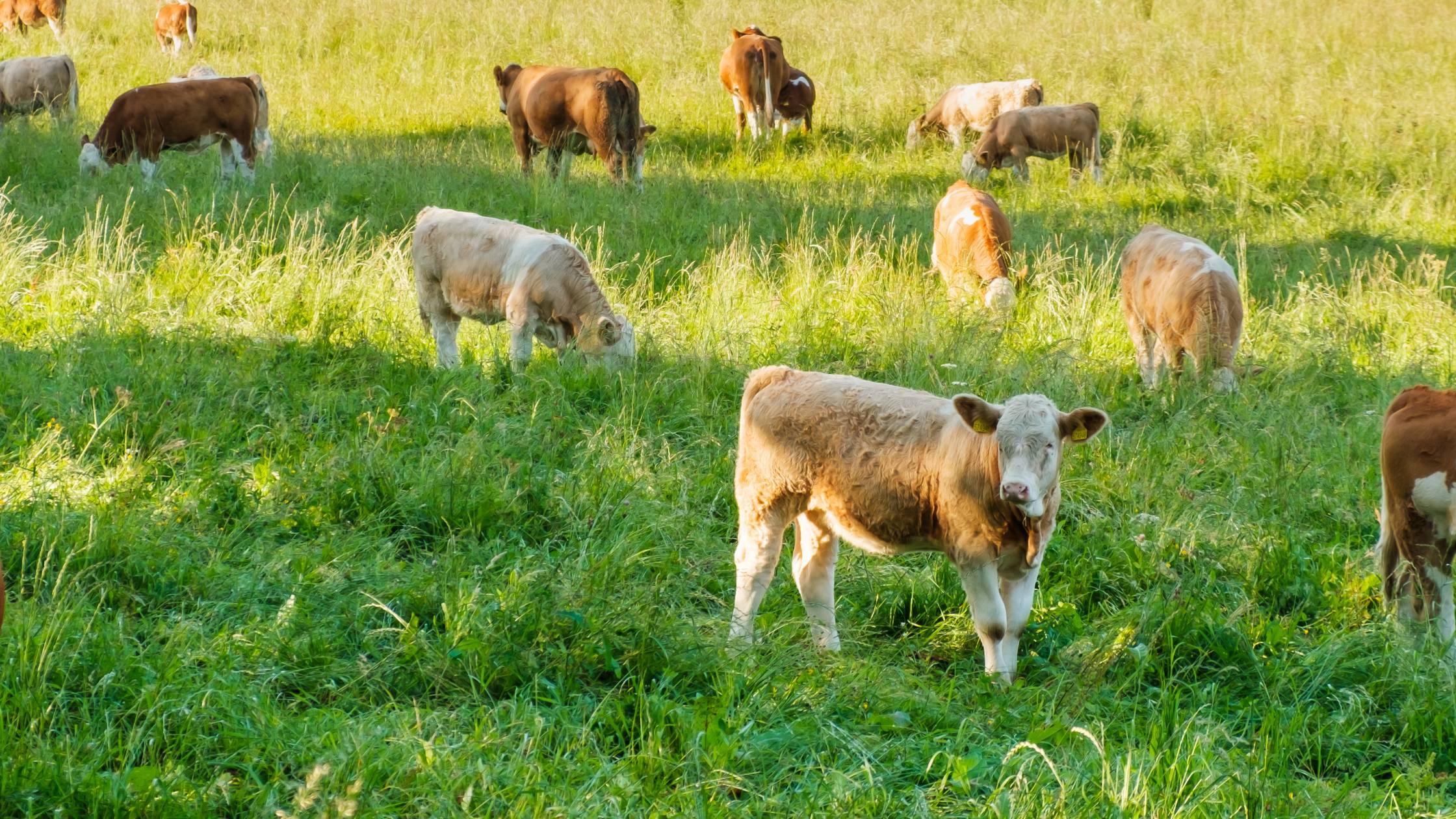
Selling meat wholesale can be profitable, but only if you know how to move the whole animal. A 1,200-pound steer typically yields a hot carcass weight of about 750 pounds. After trimming, deboning, and moisture loss, the final amount of retail beef is closer to 480 pounds. That’s just 40 percent of the live weight. On average, one animal provides about a dozen filet mignons, a dozen New York strips, and a couple dozen ribeyes. The rest includes tougher cuts like chuck, round, and brisket, which require the right buyer, the right preparation, and a strong sales strategy.
The challenge is that these cuts often move slower. While buyers gravitate toward steaks, the tougher cuts are left behind. Without a clear plan for pricing, packaging, and buyer education, farmers risk tying up inventory and losing potential revenue.
This guide explains what wholesale cuts are, how they differ from retail cuts, and which beef and pork primals matter most. You’ll also find proven ways to increase sales through better pricing, upselling, buyer education, smart bundling, and farm e-commerce platforms like Local Line that simplify selling wholesale cuts.
Key takeaways:
- Wholesale cuts of meat are large primal sections like chuck, rib, loin, and round, which are later broken down into retail portions
- Only about 40% of a steer’s live weight becomes usable retail beef, with limited premium steaks and a high volume of slower-moving cuts
- Bundling cuts, offering custom options, and educating buyers help move the whole animal and increase profitability
- Building relationships with chefs, butchers, and food co-ops leads to steady wholesale demand
- Local Line simplifies wholesale sales with tools for custom pricing, inventory, online ordering, and buyer management
What are wholesale cuts of beef and meat?
Wholesale cuts, also known as primal cuts, are the large sections first separated from a carcass during butchering. These are the foundational portions from which all smaller cuts are derived. After processing, primal cuts are broken down into subprimal cuts, which are then further processed into retail cuts for consumers.
For example, the loin is a wholesale (primal) cut of beef. Within the loin, you’ll find subprimal cuts like the short loin and sirloin. These are then sliced into retail cuts such as striploin steaks, sirloin roasts, and tenderloin medallions.
Selling wholesale cuts allows farmers to avoid the extra time, labour, and cost of processing meat into many individual retail cuts. It also opens the door to selling to chefs, restaurants, and butcher shops - larger volume buyers who value the ability to portion and process meat to their own specifications.
Want to expand beyond meat? Read more about selling wholesale produce
8 main types of wholesale beef cuts
There are eight primary wholesale cuts of beef, each with unique characteristics, cooking methods, and value. Here’s a breakdown of each:
1. Chuck
Located near the shoulder, the chuck contains a lot of connective tissue, making it ideal for braising and slow-cooking. It’s commonly used for ground beef, roasts, and stew meat.
2. Rib
Cut from the upper rib section, this primal includes premium cuts like ribeye and prime rib. It’s prized for its marbling and tenderness.
3. Loin
The loin sits between the rib and round and is home to some of the most tender cuts, such as tenderloin, striploin, and T-bone steaks.
4. Round
The round comes from the rear leg. It’s lean and less tender, making it suitable for roasts, jerky, and ground beef.
5. Brisket
Cut from the chest, brisket is a tough but flavourful cut, popular for smoking or slow braising.
6. Plate
Located below the rib, the plate includes short ribs and skirt steak—tough but full of flavour. It’s also a common source of ground beef.
7. Flank
Cut from the lower abdominal area, the flank is lean and best cooked quickly at high heat or used in stir-fry and fajitas.
8. Shank
The shank comes from the leg and is typically braised. It’s commonly used for soup bones or ground beef.
4 common wholesale pork cuts
Pork is typically divided into four main primal sections:
1. Shoulder
Often split into the picnic shoulder and Boston butt. Pork shoulder is often used for roasts, pulled pork, and sausages.
2. Loin
The loin runs from the shoulder to the hip and includes chops, tenderloin, and roasts.
3. Belly
The belly is often used for bacon, pork belly, and side ribs.
4. Leg (Ham)
The back leg is often cured or smoked into ham.
Why farmers should sell wholesale cuts
Selling meat by wholesale cuts offers several benefits:
- Efficiency: Processing fewer, larger cuts reduces labour and packaging time.
- Higher margins: Selling by weight or cut, rather than as a whole carcass or live animal, can improve profitability.
- Flexibility: Buyers like chefs and butchers can customize further processing to their needs.
- Stronger relationships: Wholesale buyers often become repeat customers, offering predictable revenue.
- Simplified logistics: Fewer SKUs (stock keeping units) mean easier inventory and order management.
- Brand control: Selling under your farm’s name ensures your values, quality standards, and story go with the meat.
Now that you understand the basics, let’s look at how to increase your wholesale meat sales.
12 tips for increasing wholesale beef and meat sales
1. Make ordering wholesale meat easy
Buyers appreciate fast, simple ordering systems, especially busy chefs and food hubs. Offer:
- Digital ordering through your own farm website
- Delivery schedules or pickup locations
- Clear instructions for ordering custom bundles
- Automatic email reminders for upcoming order deadlines
👉 Local Line makes this easy with a full-featured farm e-commerce platform built for wholesale farm sales, including recurring orders and online payments.
2. Offer cut customization and flexibility
Wholesale customers may want slight variations to fit their menus or retail preferences. This could include:
- Bone-in vs boneless cuts
- Fat cap thickness
- Trim levels
- Packaging size or format
Offering customization adds value and makes you more competitive. Just be clear about the limits of what you can offer based on your processor’s capabilities.
3. Develop transparent pricing
Clear, honest pricing is essential for wholesale success. You can price by:
- Hanging weight
- Final packaged weight
- Individual cut
- Per pound or per kilogram
Break down what the buyer is paying for: the meat, processing, packaging, and any delivery costs. Buyers should know what to expect in terms of yield and cut availability.
Platforms like Local Line make it easy to set different price lists for retail and wholesale customers.
👉 Want help pricing meat by weight? Download the free guide to selling meat by weight.
4. Build relationships with local buyers
Repeat wholesale customers are incredibly valuable. Focus on building long-term partnerships with:
- Independent butcher shops
- Farm-to-table restaurants
- Chefs and catering companies
- Food co-ops, farm collectives and food hubs
- Small grocers or CSAs
Attend local industry events, food shows, or even farmers’ markets to meet potential wholesale buyers face-to-face. Offer samples and talk through your product in person when possible.
5. Market your meat with origin stories and practices
Modern buyers care about where their meat comes from. Highlight your farm’s:
- Breed selection
- Feed program (grass-fed, grain-finished, non-GMO)
- Pasture rotation or regenerative practices
- Animal welfare and humane handling
- Certifications or third-party audits
Include farm story cards with your deliveries or showcase these elements in your online storefront.
6. Bundle cuts for volume sales
Bundling is one of the best ways to simplify your sales and move more product. Try offering:
- Quarter, half, or whole beef bundles – Classic, efficient, and popular with bulk buyers.
- CSA-style meat boxes – Recurring monthly or seasonal boxes that include a mix of ground, steaks, and roasts.
- Themed bundles for events and seasons:
- Holiday Roast Pack (roast, bones, gravy ingredients)
- BBQ Box (ribs, burgers, steaks, skewers)
- Winter Comfort Pack (stew meat, bones, sausage, ground)
👉 Local Line’s Custom Box Builder makes it easy to create and sell bundles online with flexible contents and pricing.
7. Upsell and cross-sell complementary products
Don’t stop at primary cuts. Offer customers add-ons to increase order value, such as:
- Soup bones or marrow bones
- Liver, heart, or tongue
- Prepared items like sausage or jerky
- Seasoning rubs or marinades
- Branded freezer bags or recipe cards
Small add-ons add up, especially when buyers are already purchasing in bulk.
Read more about cross-selling vs upselling
8. Use consistent farm branding and packaging
A professional farm logo, packaging and branding add credibility and help build loyalty. Ensure your meat is:
- Vacuum sealed
- Clearly labeled with cut type, weight, and farm name
- Consistent in appearance and format
Consider adding QR codes or farm info on each label to link buyers back to your website or story.
9. Offer wholesale beef subscriptions
Wholesale beef subscription boxes are a recurring sales model that combines bulk buying with predictable demand. Instead of selling one-off bundles, farms offer chefs, food co-ops, retailers, or bulk buyers a scheduled delivery of mixed beef cuts on a weekly, monthly, or seasonal basis.
Each box typically includes a rotating mix of ground beef, roasts, and select steaks, which helps move a wider range of cuts beyond premium steaks. This approach reduces leftover inventory, improves carcass utilization, and smooths cash flow between processing dates.
Wholesale subscription boxes work especially well for:
- Restaurants that want consistent supply and pricing
- Food co-ops or buying clubs serving multiple members
- Institutions or caterers ordering on a fixed schedule
By locking in repeat orders, wholesale beef subscription boxes lower sales risk and reduce the time spent reselling cuts after each processing run.
10. Leverage social media and email marketing
Keep your audience engaged and aware of product availability. Share:
- New bundle options or seasonal promos
- Processing schedules and order deadlines
- Customer testimonials or behind-the-scenes farm photos
- Recipe ideas using your cuts
Grow your email list fast and send occasional updates to both wholesale and retail buyers.
Get a head start: Download these 20+ FREE farm marketing templates
11. Work with a trusted meat processor
Your meat processor is a make-or-break part of your wholesale strategy. Find one that:
- Offers consistent cut quality
- Is provincially or federally inspected
- Handles vacuum sealing and labelling
- Works with you on customization and scheduling
Taking time to vet processors upfront reduces costly mistakes, improves cut consistency, and gives you more confidence when selling wholesale cuts.
12. Know your product and educate your buyers
Understanding your product inside and out builds trust and confidence. Know the average hanging weight, expected yield, and common uses for each cut. Offer clear explanations and cut sheets that show where cuts come from and how they’re best cooked.
Wholesale buyers appreciate education, especially newer chefs or shops. Help them get the most out of the cuts they purchase.
Read more about how farms can combine education and storytelling into their marketing
Selling wholesale cuts of beef is easier with Local Line
Selling meat wholesale can quickly become complex, from managing orders and pricing to building bundles and communicating with buyers. That’s where Local Line comes in.
Thousands of farms use Local Line to simplify and scale their wholesale sales. With farm-focused software features designed specifically for meat producers, you can:
- Create a dedicated online website for wholesale meat
- Manage product inventory, bundles, and cut sheets
- Build custom price lists for different buyers
- Automate recurring orders and generate invoices
- Use built-in pick and pack lists for efficient fulfillment
- Track buyer history and build relationships with CRM tools
Farmers using Local Line report an average sales increase of 33% and save hours per week on admin tasks.
Want to simplify your wholesale meat business? Start with Local Line today - it’s quick and easy to get started!
Frequently asked questions (FAQs) about wholesale cuts of meat
What is another name for wholesale cuts?
Wholesale cuts are also known as primal cuts. These are the large sections first separated from a carcass during processing and serve as the starting point for subprimal and retail cuts. These foundational cuts include various cuts based on the muscle structure of the animal, such as the loin primal or rib primal, and are later broken down into retail favourites like ribeye steak, sirloin steak, or flank steak. Primal cuts are the basis for different cuts used in a range of cooking techniques and portion sizes.
What are the 8 wholesale cuts of beef?
The eight primary wholesale or primal cuts of beef are chuck, rib, loin, round, brisket, plate, flank, and shank. These cuts are created from different muscle groups and vary in fat content, tenderness, and ideal cooking time. For example, the rib primal includes marbled meat such as ribeye steak and beef short ribs, known for their rich flavour and tenderness. The loin primal includes high-end sirloin and short loin cuts like New York strip, porterhouse, and filet mignon. Each primal yields various cuts suited for grilling, roasting, slow cooking, or other different cooking techniques.
What are the 4 wholesale cuts of pork?
The four main wholesale pork cuts are shoulder, loin, belly, and leg. These primal sections include different cuts with varying fat content and muscle fibre, which influence how they should be cooked. For example, the shoulder contains tougher cuts that benefit from slow cooking methods, while loin cuts such as pork chops are perfect for quick cooking methods like grilling. Cuts from the belly are often used for bacon or braising, while the leg is commonly processed into ham.
What cuts of meat are best to buy wholesale?
Popular and budget-friendly wholesale cuts include ground chuck, chuck roasts, ribeye subprimals, pork shoulder and belly, and bulk beef options like quarter or half carcass bundles. For grilling, tender cuts like New York strip, sirloin steak, or ribeye steak offer rich marbling and great flavour. For slow cooking, tougher cuts such as beef short ribs, eye of round, flank steak, or brisket contain more collagen that helps tenderize the meat over time. Buying wholesale provides access to various cuts that fit different cooking techniques and portion sizes.
What’s the difference between primal, subprimal, and retail cuts?
Primal cuts are the large foundational sections removed from the carcass based on the muscle structure and toughness of each area. Subprimal cuts are smaller portions taken from primals, such as the strip loin from the short loin or flat iron from the chuck. Retail cuts are the final packaged products offered to consumers. Different cuts within these categories vary in fat content and collagen levels and are suited for different cooking techniques like low and slow cooking or quick grilling depending on their muscle fibre and tenderness.
Is wholesale meat selling more profitable than retail?
Wholesale meat can be more profitable for farmers when selling in volume, especially to food service buyers or local butcher shops. By focusing on primal and subprimal cuts such as the beef loin or rib primal, producers reduce packaging and labour costs. Offering various cuts suited to different cooking methods, like sirloin cuts for grilling or pot roast for slow cooking, allows for broader appeal and higher efficiency in processing and sales.
How do I find wholesale buyers?
You can find wholesale buyers by reaching out to chefs, caterers, butcher shops, food co-ops, and local grocery stores that prioritize sourcing bulk beef and different cuts. Food service clients often look for consistency in portion sizes and prefer specific items like sirloin steak, beef short ribs, or eye of round. Platforms like Local Line can help you showcase your product range and manage orders for popular beef cuts with varying fat content, tenderness, and cooking applications.
Can I sell both retail and wholesale with one platform?
Yes, using a platform like Local Line allows you to manage both retail and wholesale sales from a single dashboard. You can set custom pricing, inventory levels, and packaging for different buyer types. Whether you're selling melt-in-your-mouth beef like filet mignon or tougher cuts like ground chuck for pot roast, you can offer various cuts and portion sizes that suit different cooking times and techniques while meeting the needs of home cooks and professional kitchens alike.
Do I need licensing to sell wholesale meat?
Yes, to sell wholesale meat legally, you must process it at an inspected facility and comply with local food safety regulations. Whether you are selling high-end loin cuts like New York strip or more budget-friendly options like ground chuck, your cuts must meet safety and labelling standards. Proper licensing helps ensure that different cuts are handled appropriately based on the muscle structure and intended cooking methods, whether for a local butcher or a commercial food service buyer.